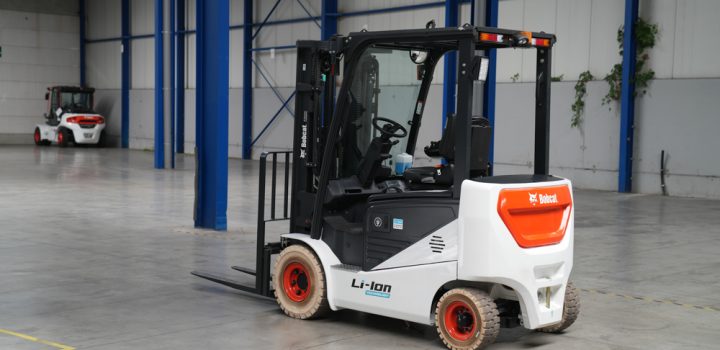
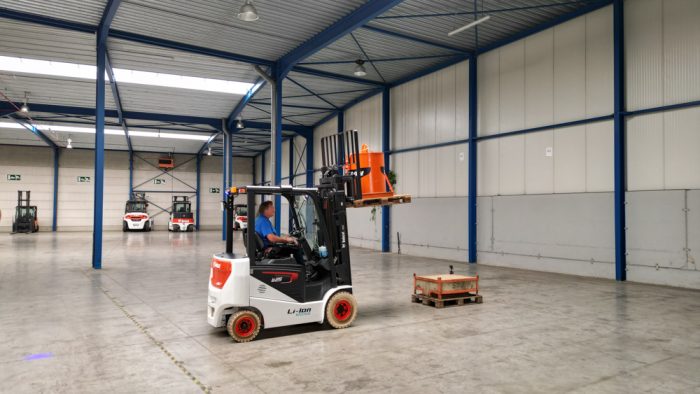
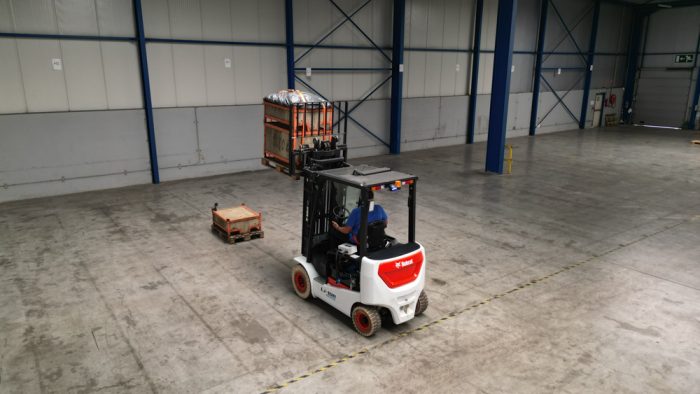
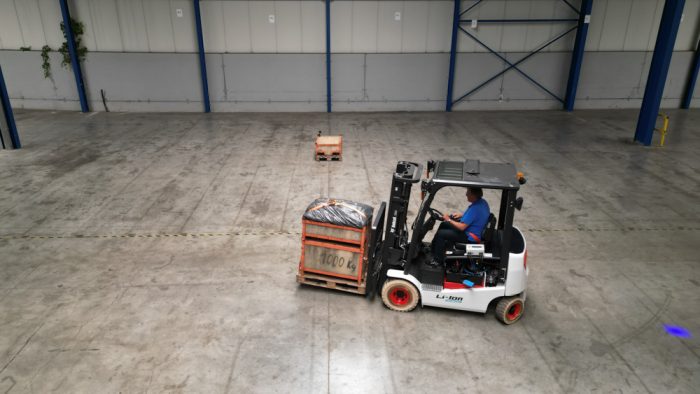
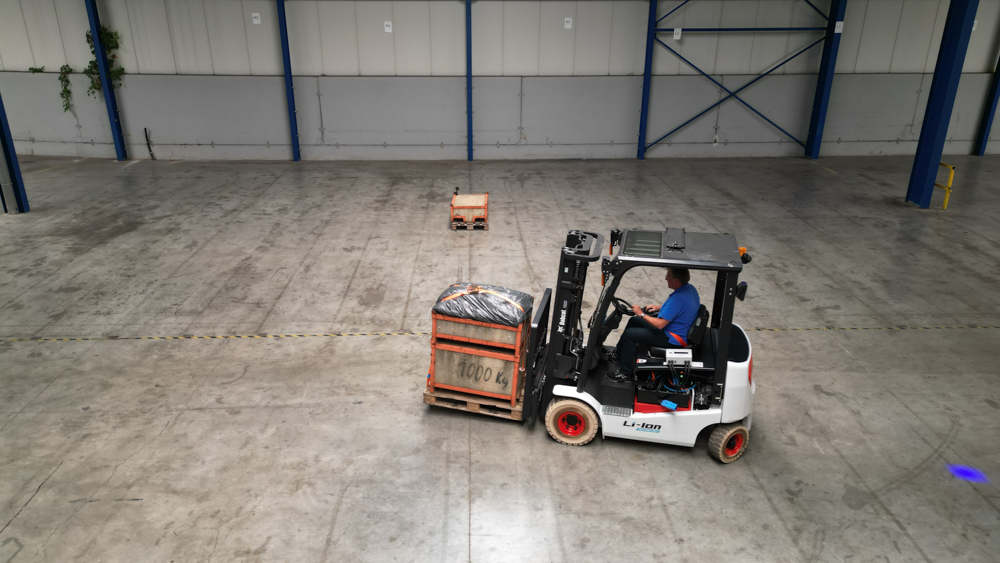
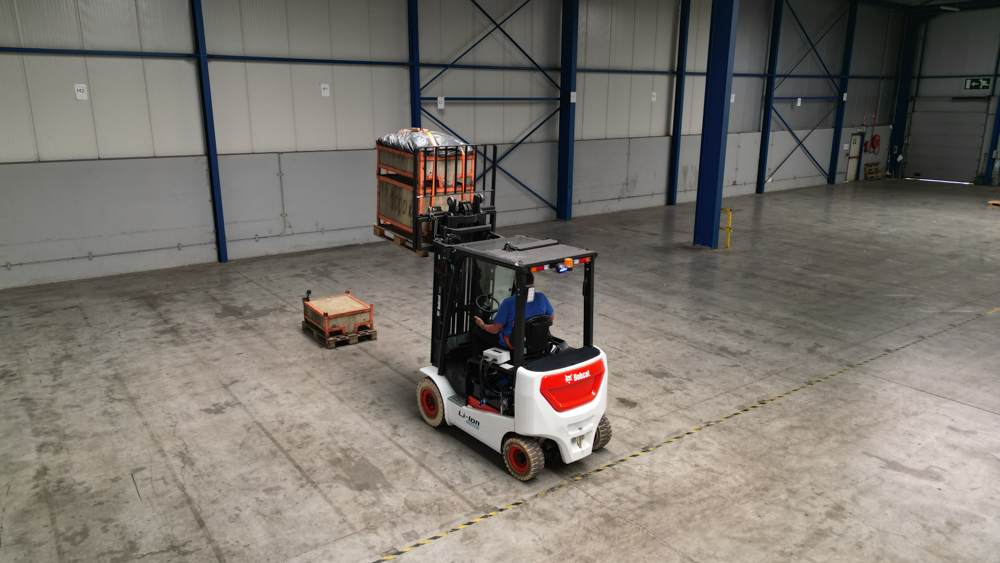
Since 2024, Doosan’s lift trucks and warehouse trucks have been painted in striking white and orange and bear the name Bobcat. Our last Doosan test dates back to 2015, so let’s have a look where the brand stands now. Conclusion: the Bobcat B25NS with lithium-ion battery is a colourful and reliable alternative in the economically priced segment. A few minor adjustments will do the truck good.
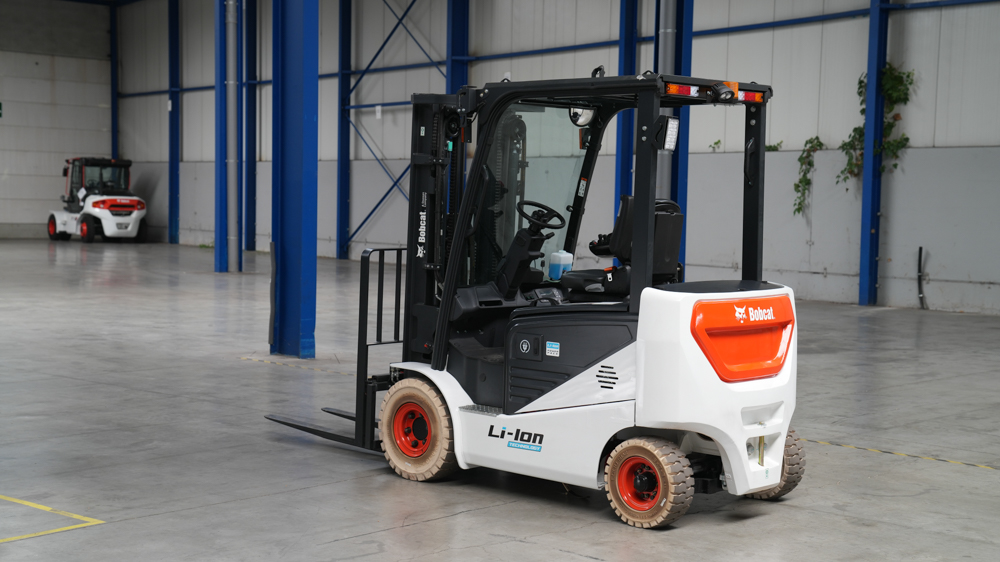
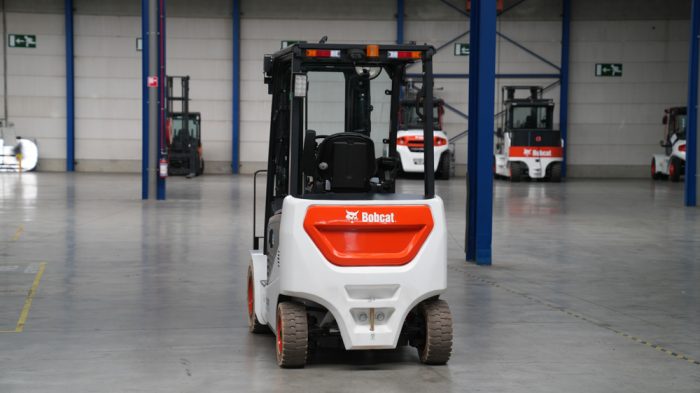
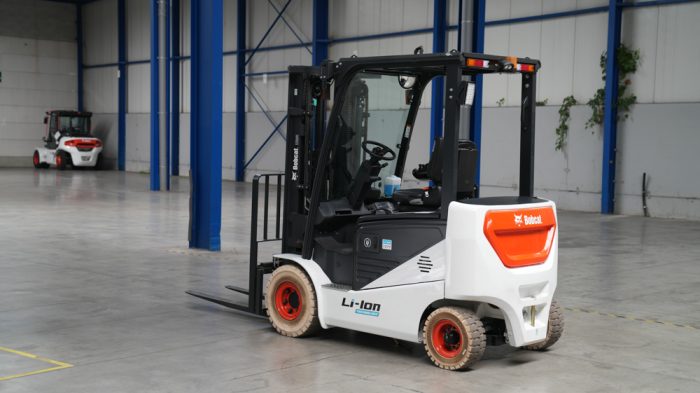
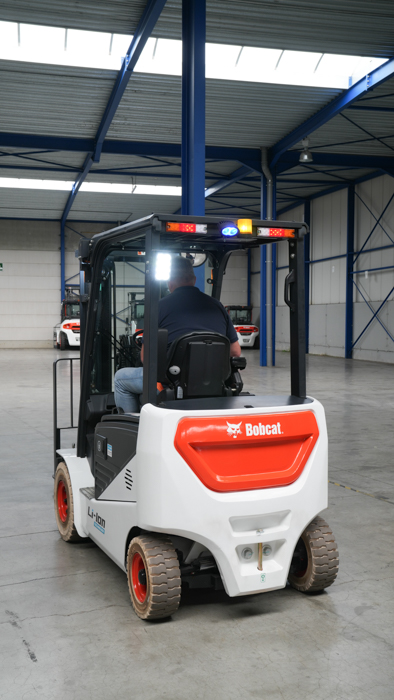
Bobcat, One Tough Animal! That’s how the American brand likes to present itself, and that slogan is all too familiar in the world of earthmoving. There, Bobcat is not a brand, but a synonym for the extremely manoeuvrable and powerful skid steer loader on wheels or tracks. The product portfolio has since become much broader, and since 2021, Doosan Industrial Vehicle has also been part of the Bobcat family. In 2024, Doosan’s warehouse and forklift trucks were rebranded to Bobcat and given the striking white and orange colour scheme. This also applies to our test truck: the B25NS.
The Bobcat B25NS is the lightest in the popular electric forklift series with a lifting capacity of 2.5 to 3.5 tonnes, however it is not the only one with a 2.5-tonne capacity. Bobcat also offers the B25X-7 Plus. The differences between the two models lie in their intended use. While the B25X-7 Plus is designed for the demanding user, the B25NS is aimed at less frequent or less heavy-duty tasks. Bobcat intends to provide that market with an economically priced forklift truck with the assurance of a reputable brand and a good parts supply. Not just another brand from Asia, but one with a European headquarters in the Czech Republic, a dedicated central parts warehouse in Germany and local, committed dealers with many years of experience.
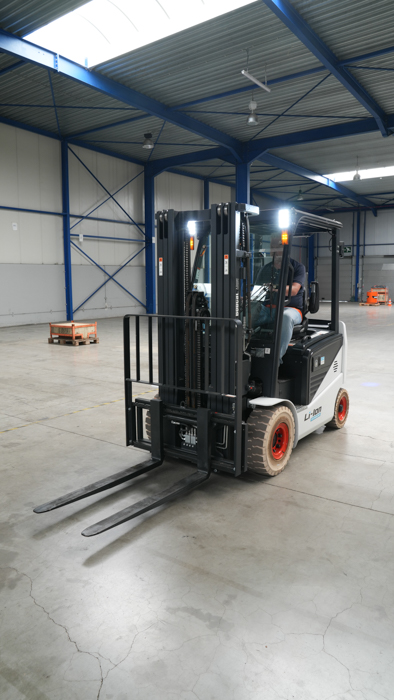
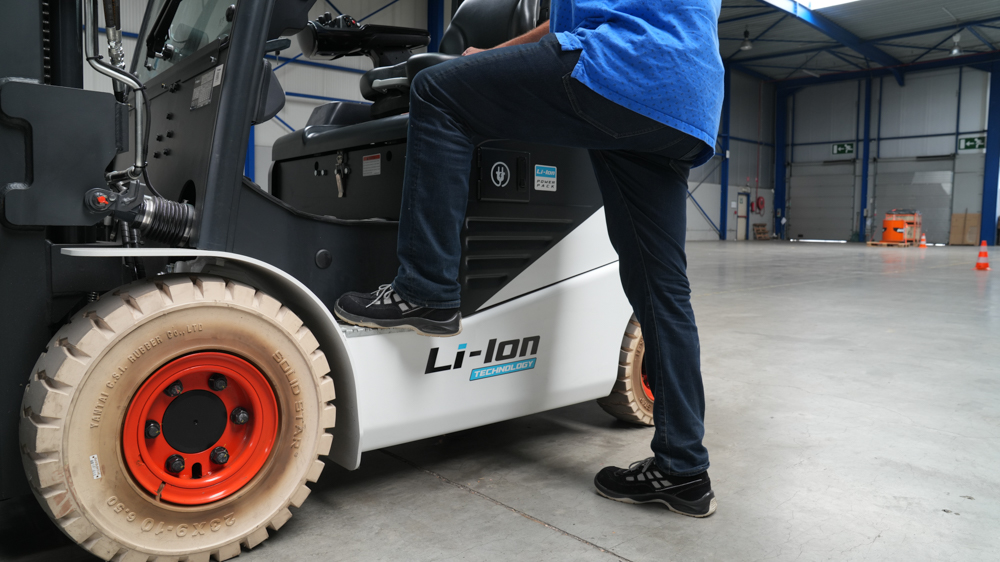
Our test truck does not come from Korea like the B25X-7 Plus, but from China, where it is produced under the supervision and according to the specifications of Bobcat. The truck has recognisable characteristics of the Doosan B20T-7 Plus that we tested in 2015. Mast, step-up and step-down, dashboard layout, quality of materials… everything feels good and solid and is functional.
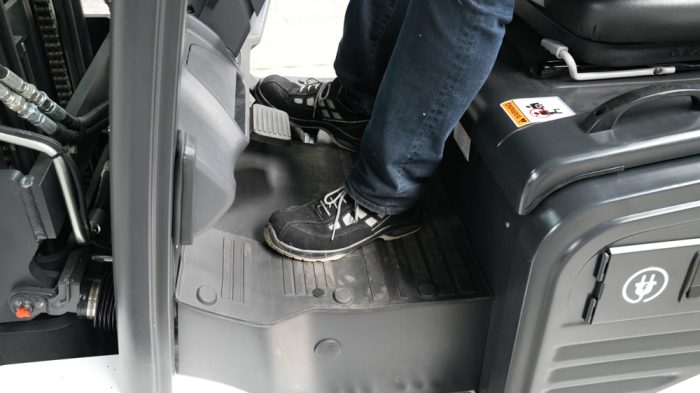
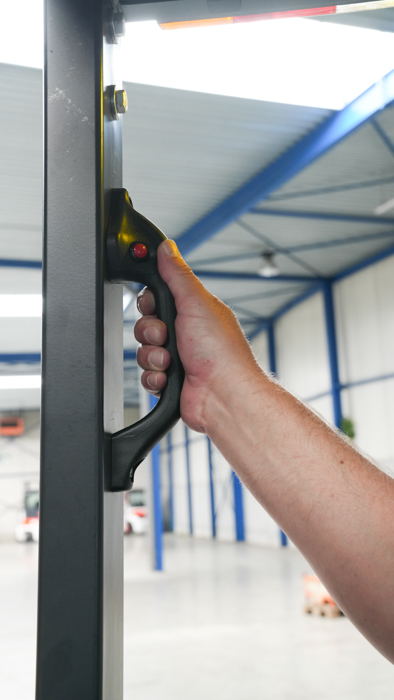
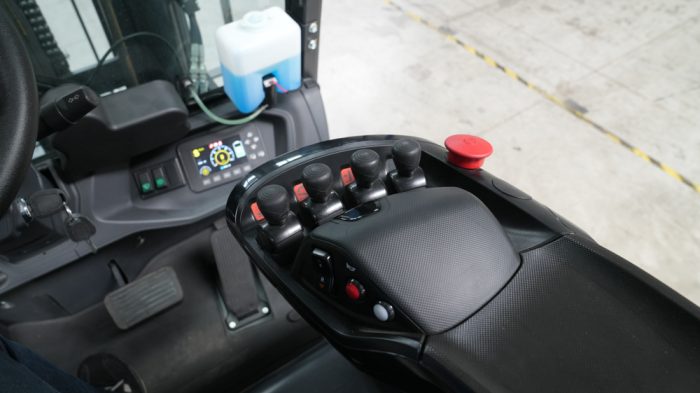
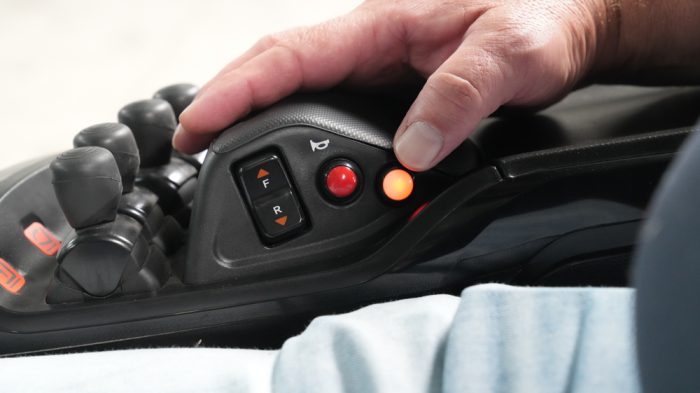
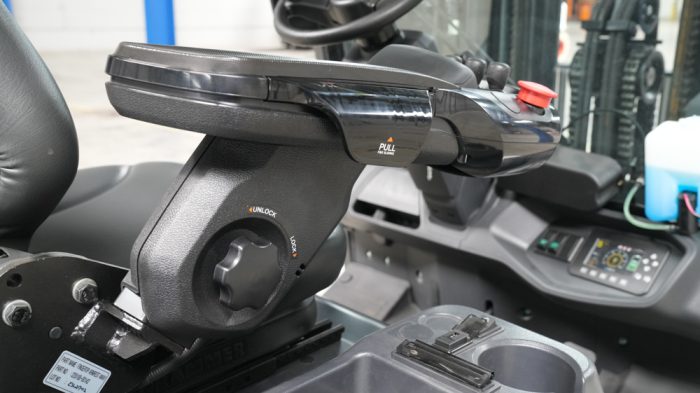
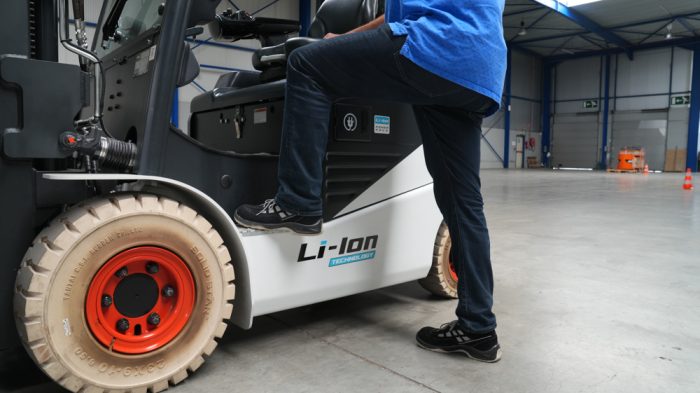
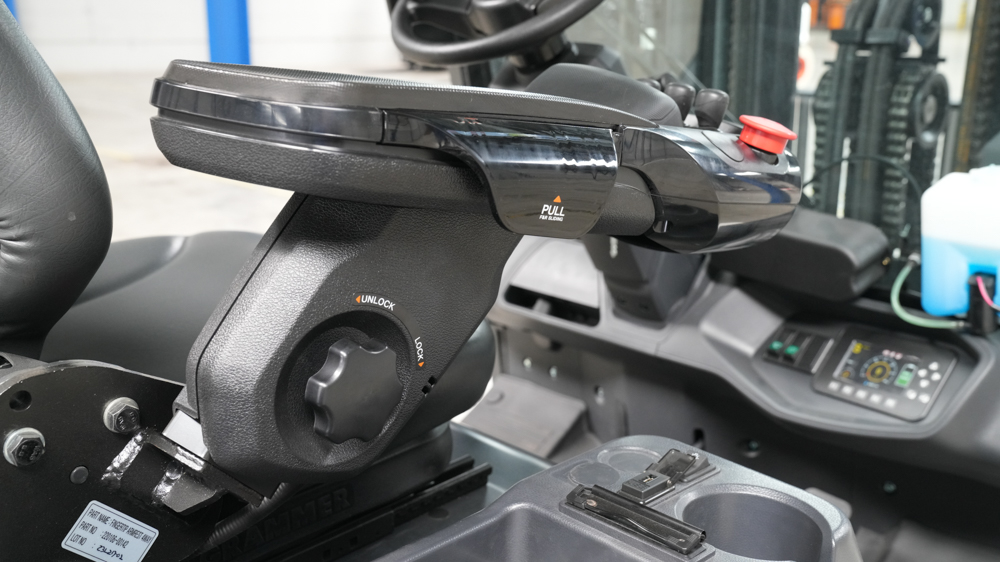
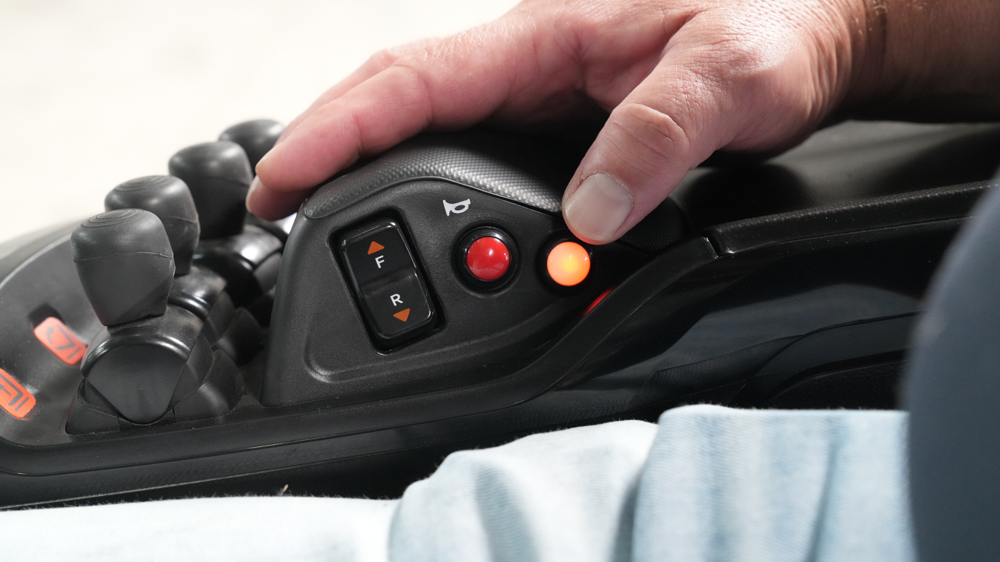
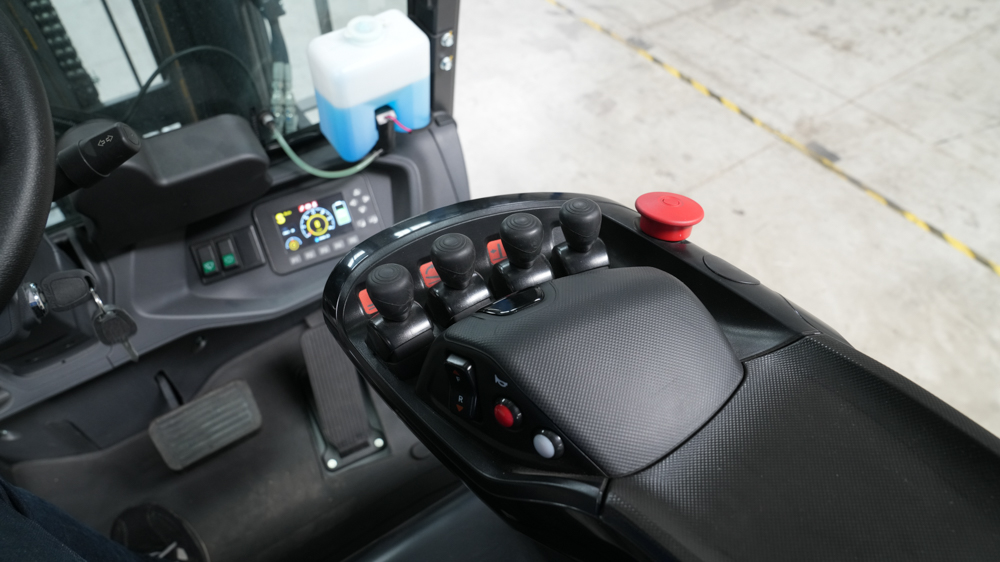
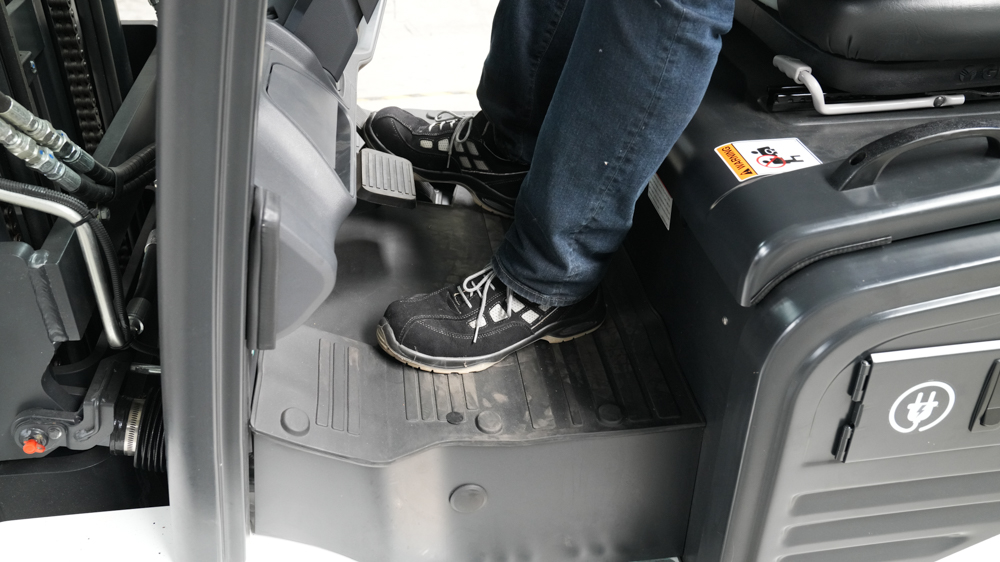
The spacious entry/exit with anti-slip profile and the long hand grip ensure easy access. The footplate is extremely spacious and free of obstacles. The seating position is fine. The angle of the steering column is continuously adjustable and the Grammer MSG65 – with two armrests – is easily adjustable. On the right armrest, we see the electric fingertip levers for mast control, the direction switch, horn, emergency stop and a push button for automatic mast vertical positioning. On the rear right roof pillar, there is a handle with a horn.
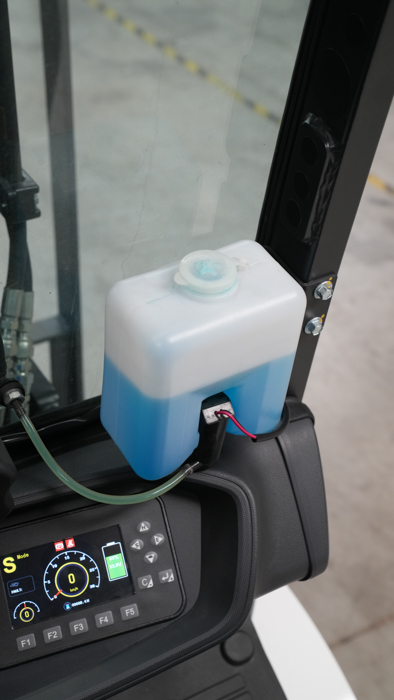
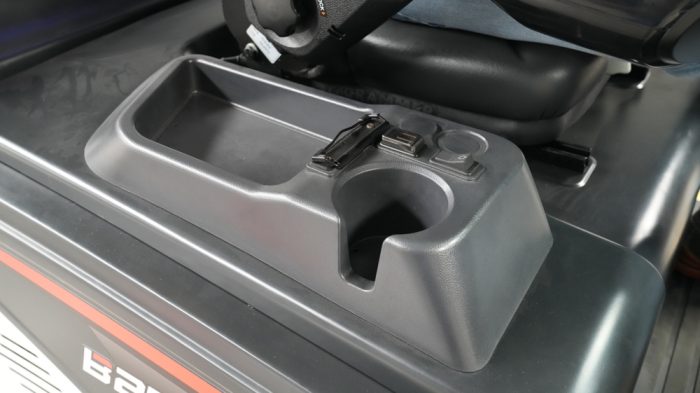
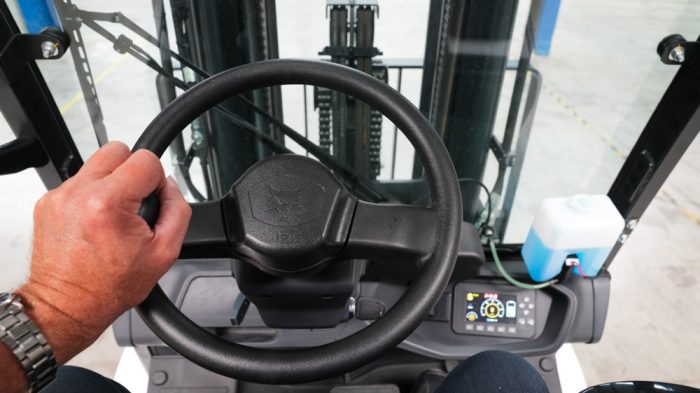
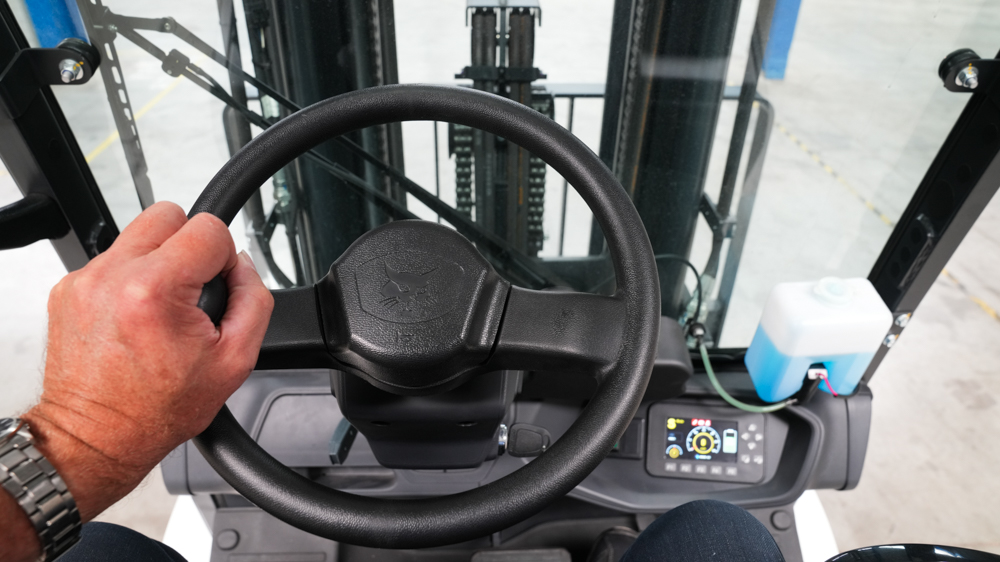
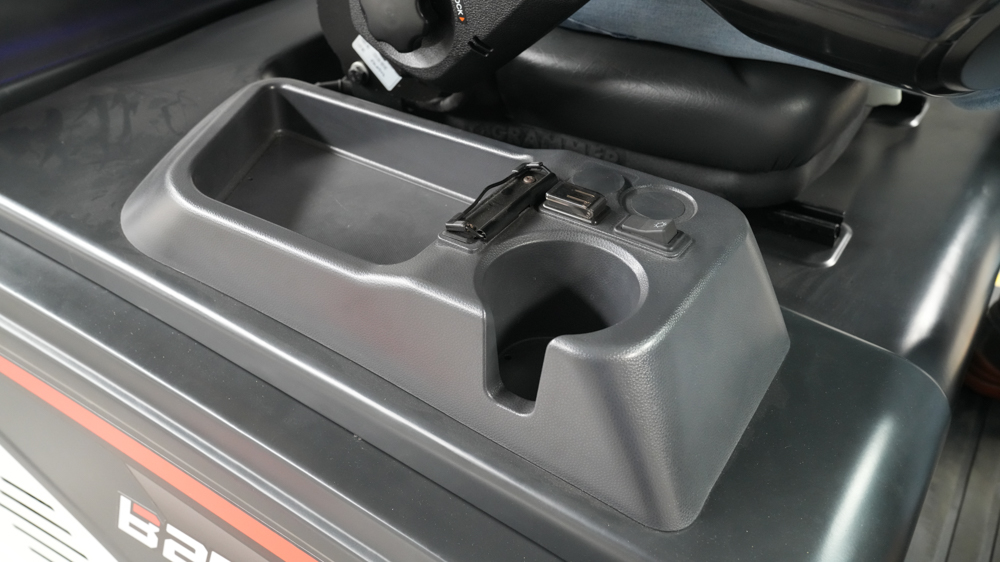
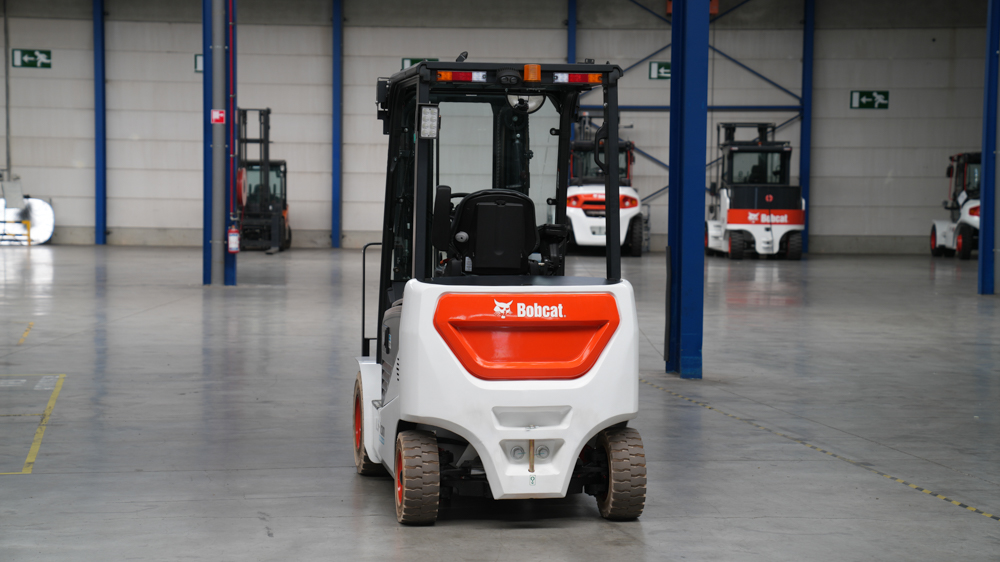
The B25NS is quite richly equipped for a basic truck. The cab has a windscreen and a roof window, front and rear driving lights, bright work lights, a flashing light and a BlueSpot at the rear. To the right of the seat is a storage compartment with a cup/bottle holder, USB connection and paper clip. On the left side of the dashboard, there is another compartment with a cover plate, but its purpose is unclear. In our opinion, the windscreen washer reservoir could be placed underneath it.
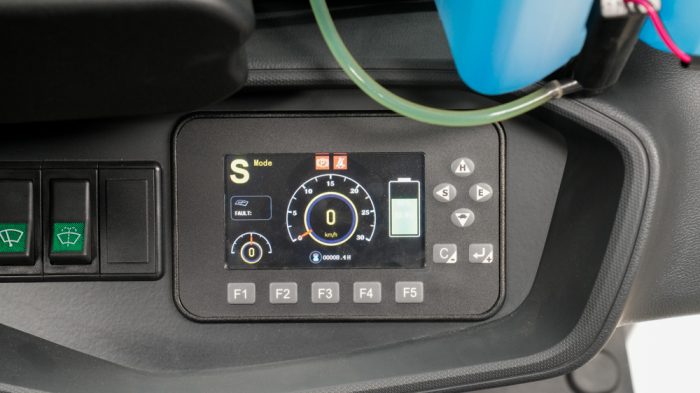
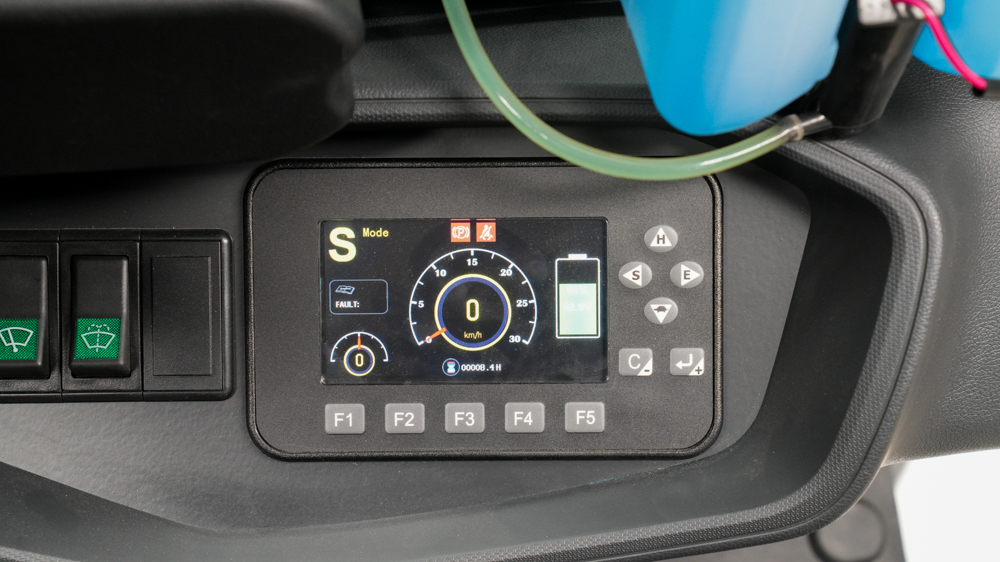
The large, colourful display is informative and offers the driver three operating modes: H (High), S (Standard) and E (Economy), which can be combined with a turtle mode for extra control. A special feature is the wheel position indicator on the steering axle. This shows the direction of the wheels plus an indication in degrees of skew, which is not often seen. In addition, the B25SN has effective curve control, an automatic parking brake and an anti-rollback system for safe use on slopes.
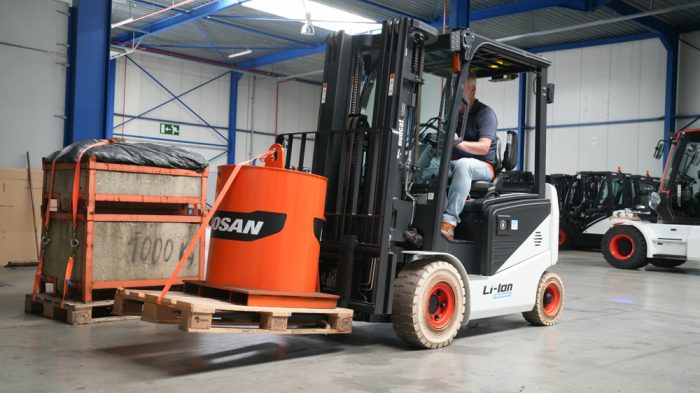
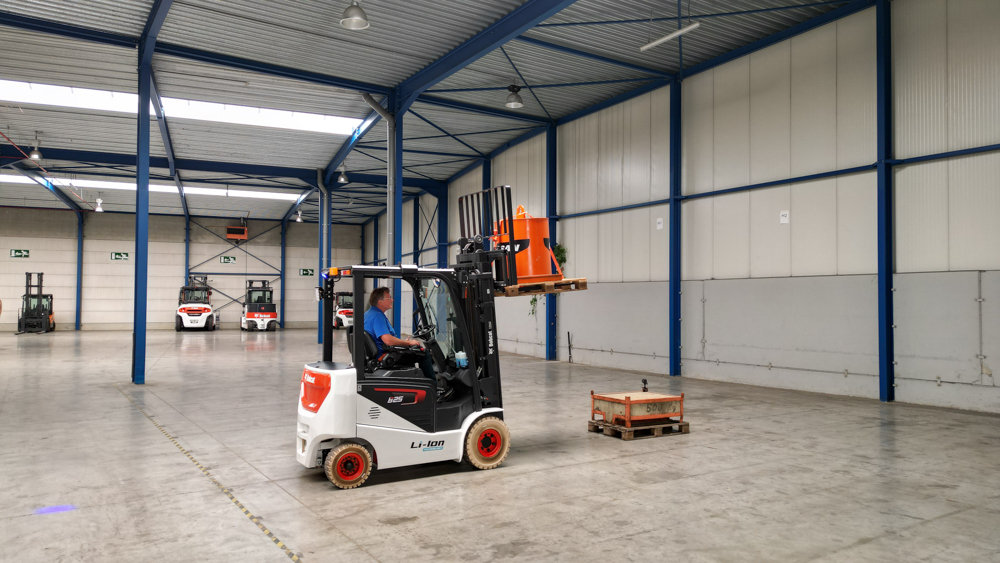
In terms of equipment, this “light” Bobcat is a pleasure to work with, but how does it perform? Apart from a rather loud steering pump motor, its performance is largely predictable and therefore acceptable. Visibility through the extremely stable and robust three-piece 4.700 mm mast is relatively good, despite the three mast sections, side shift and free lift cylinder. The mast can be controlled precisely with the fingertip levers and the mast damping is fine. The driving direction is easily selected with the right thumb. The extra button for vertical mast positioning works well; when tilting forwards or backwards, the mast stops neatly in a vertical position.
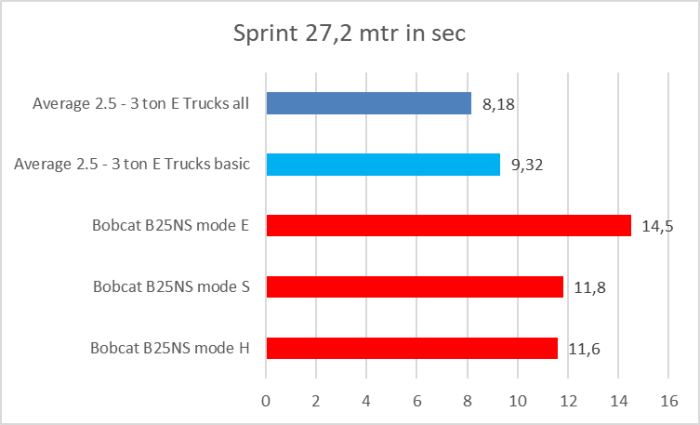
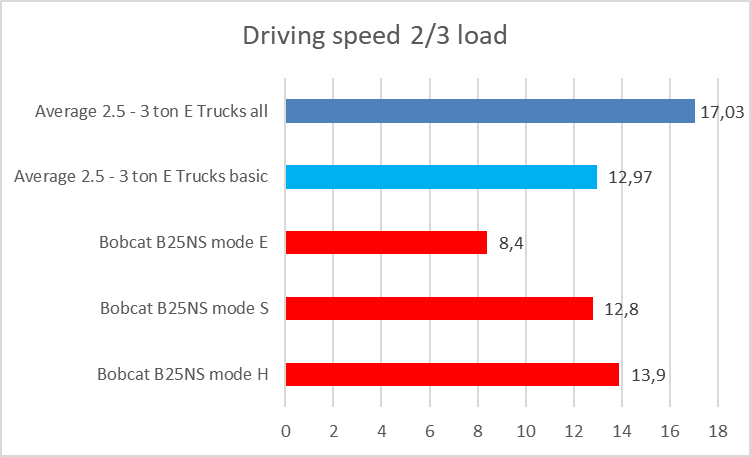
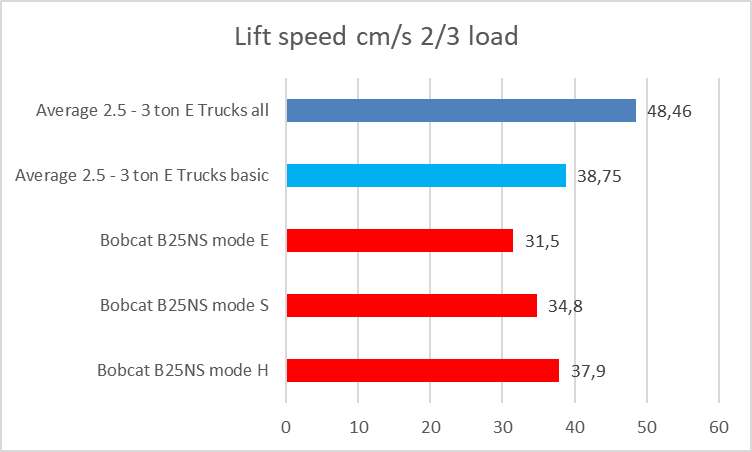
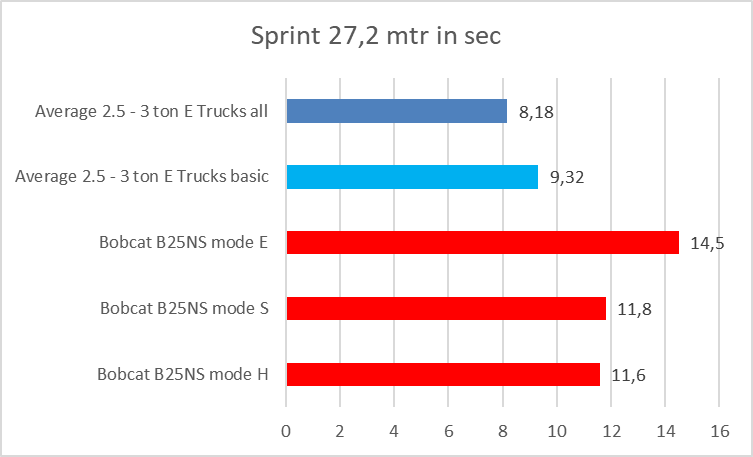
When it comes to the overall truck experience and productivity, we advise Bobcat and the users of this truck to adjust the truck’s standard settings. In particular, the acceleration could be a little bit more powerful, as could the speed of the mast tilting backwards. The braking on the drive motor could also be a little more powerful so that you can operate the truck even better with just the accelerator pedal. This will give this Bobcat a more pleasant character.
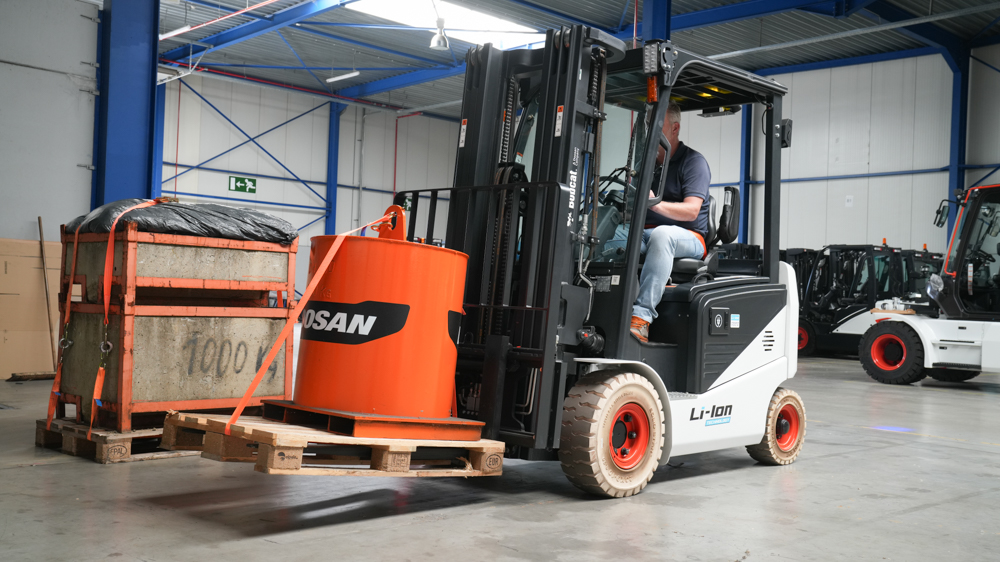
Another recommendation concerns the choice of tyres. The Chinese white non-marking tyres from the Yantai Solid Star brand do not live up to their name. This is particularly noticeable when handling heavier loads and cornering. The truck’s behaviour is somewhat unpredictable in these situations. According to Bobcat, the choice of tyres is part of the aim of offering an economically priced truck for less intensive tasks. For those who want more stability, we recommend tyres from a reputable A-brand.
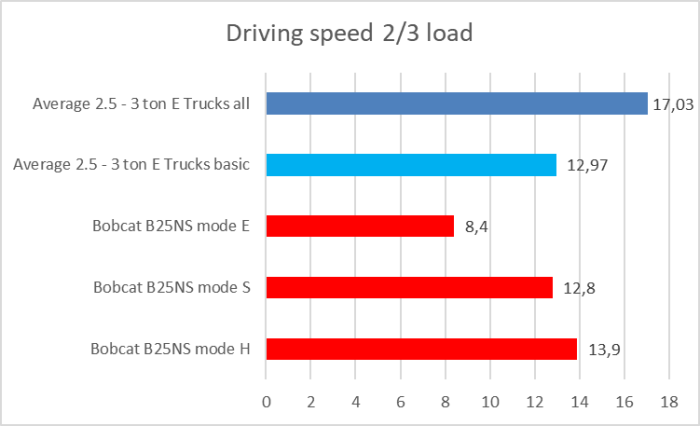
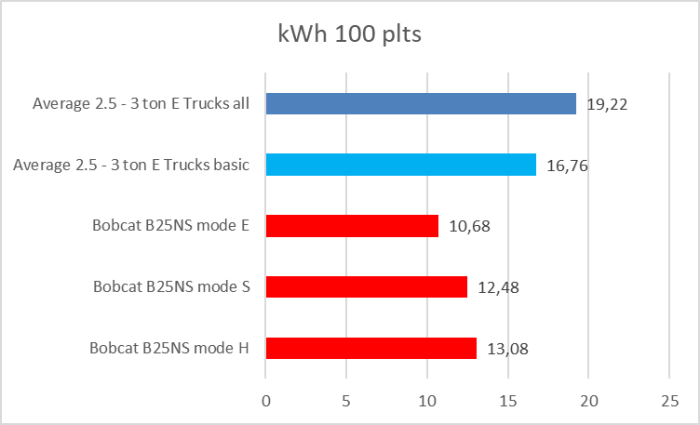
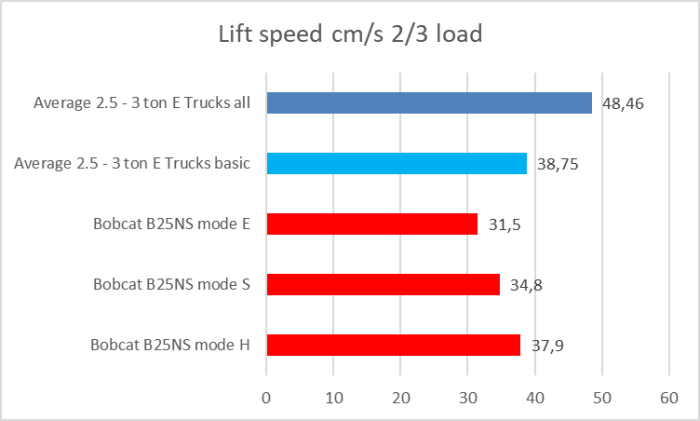
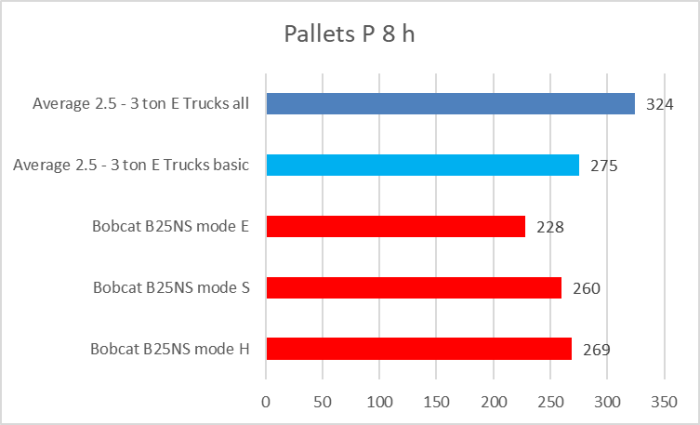
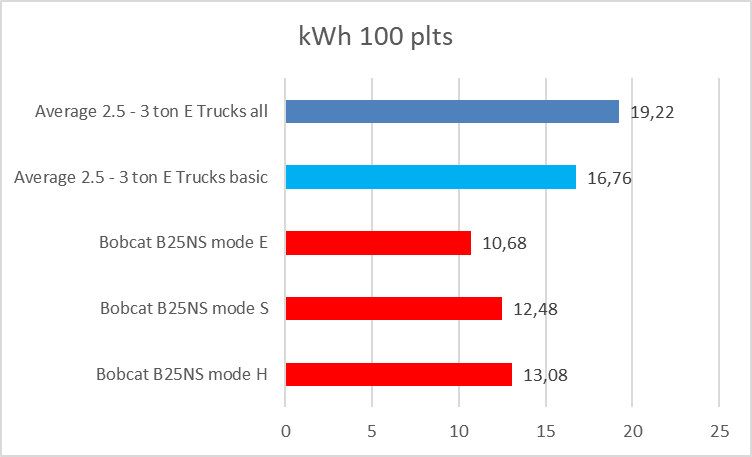
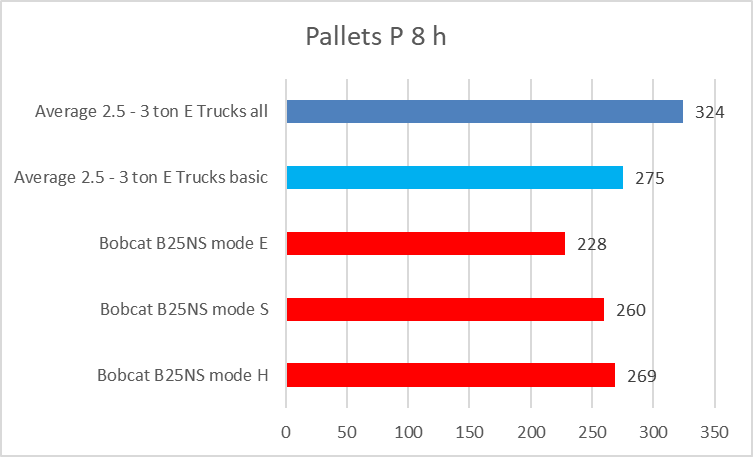
In terms of performance, the Bobcat B25NS scores in line with expectations. Compared to tested 2.5-tonne electric forklifts for more intensive use, this Bobcat scores modest productivity in the maximum H setting, but also extremely modest energy consumption. Compared to trucks intended for average to light use, the B25NS is closer to the average. It is slightly less productive, but more economical.
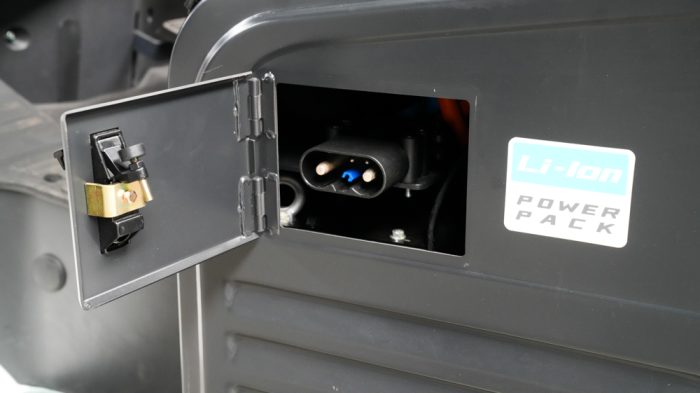
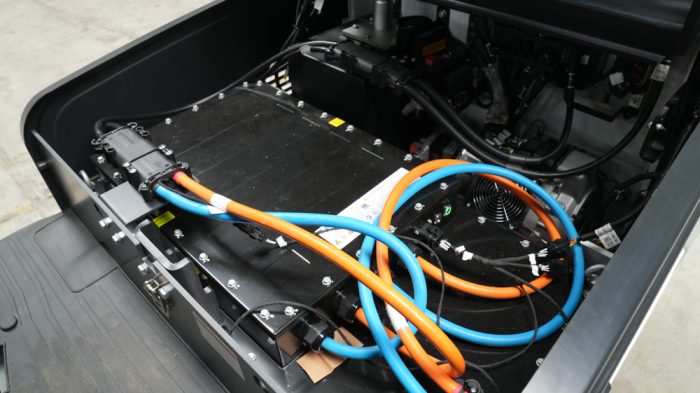
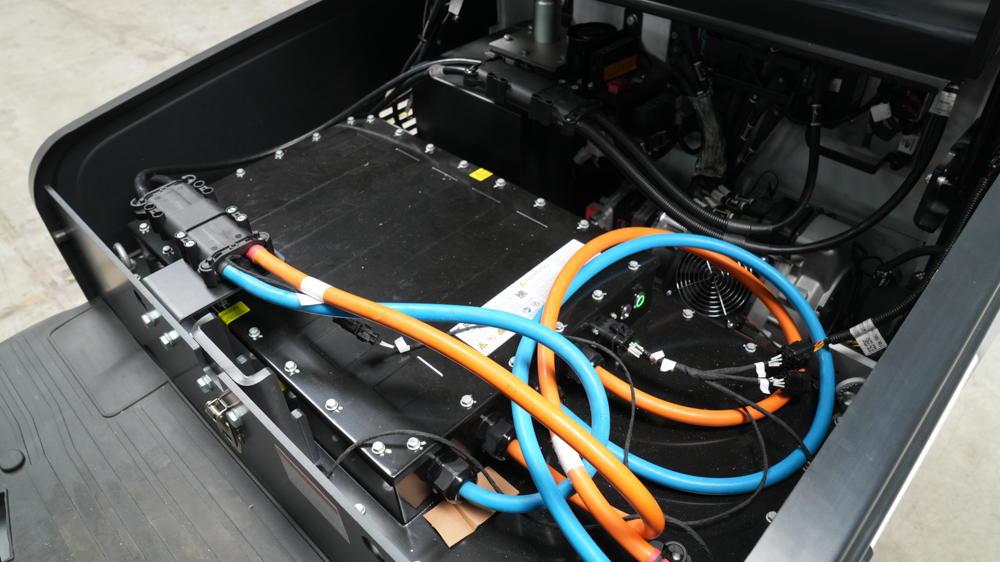
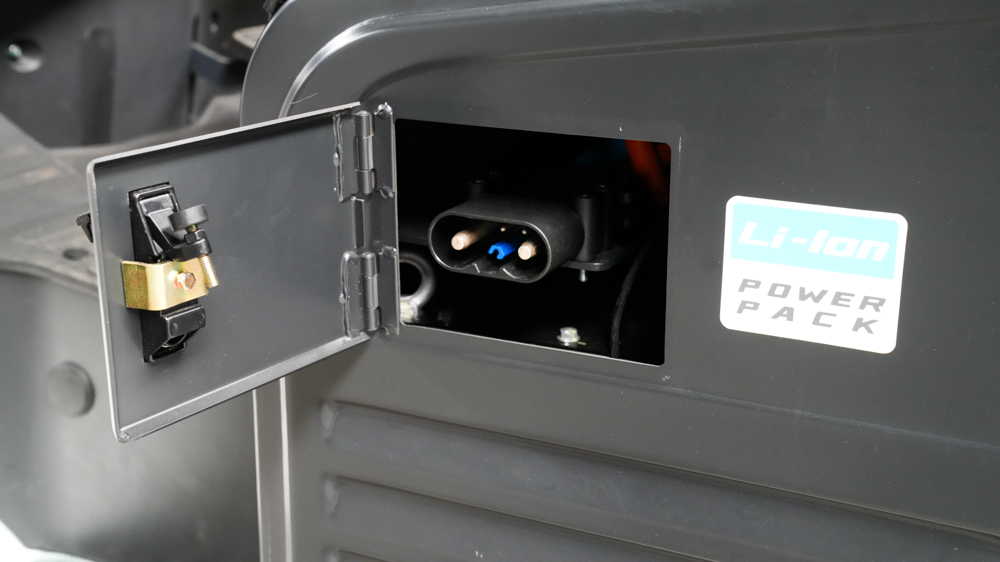
Of course, our desired setting will have a noticeable positive effect on productivity. The expected increase in energy consumption will still be favourable compared to the competition. However, we doubt that energy consumption is an issue. With 600 A, the 51 Volt lithium iron phosphate (LFP) battery has sufficient capacity for a full day’s use, even if it is more intensive than expected. The lithium-ion technology also gives Bobcat plenty of scope to install smaller and therefore more competitively priced li-ion batteries, making the total price tag even more attractive. A 400 A version will be available soon. The maintenance-free nature of the battery, plus the ability to recharge it without penalty, will also appeal to occasional users.
With the B25NS, Bobcat introduces a fresh, colorful and easily accessible forklift truck in the popular 2.5-tonne lifting capacity segment. The basic settings could be a little more powerful and would give the truck a boost in all respects. Anyone looking for a carefree truck for light to medium use will find the B25NS a candidate worth considering. The lithium-ion battery makes it even more hassle-free. If the application is more intensive than expected, we recommend choosing an A-brand forklift tyre.
• Easy to operate
• Low energy consumption
• Solid mast construction
• Noise from steering pump motor
• Standard acceleration and engine brake settings
• Stability of the tyres
More information: www.bobcat.com
(Text and photos: Mark Dohmen and Theo Egberts, Andersom Testing)
Tags:
Andersom testing, Bobcat, Bobcat B25NS, Forklift, Forklift test, Intralogistics
Jungheinrich is to acquire ISI Automation. The move wil...
14 Ton power and certainty In between the rolling hill...
As mentioned earlier on Logistics Inside Europe, Junghe...