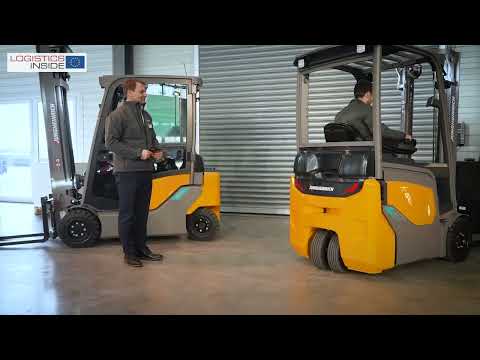
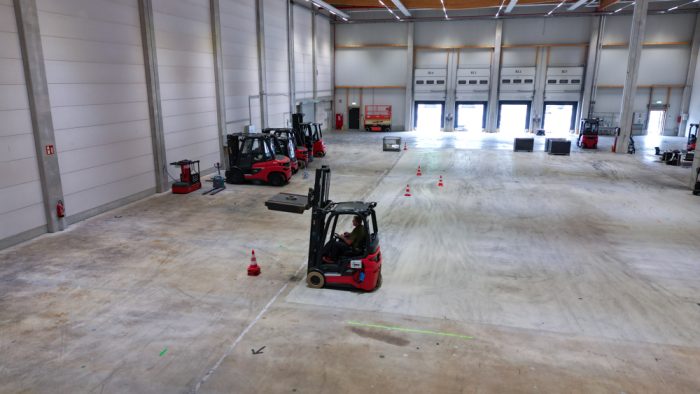
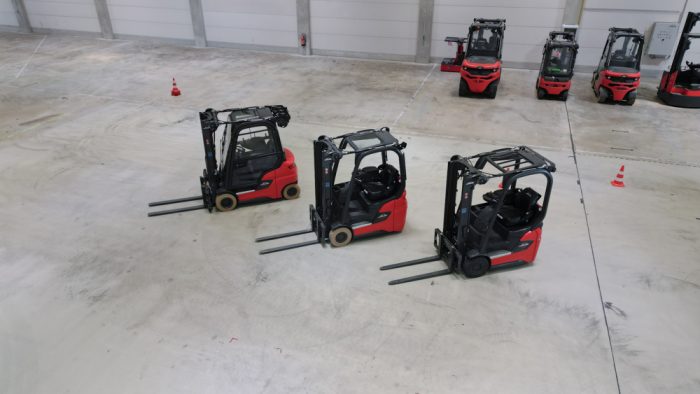
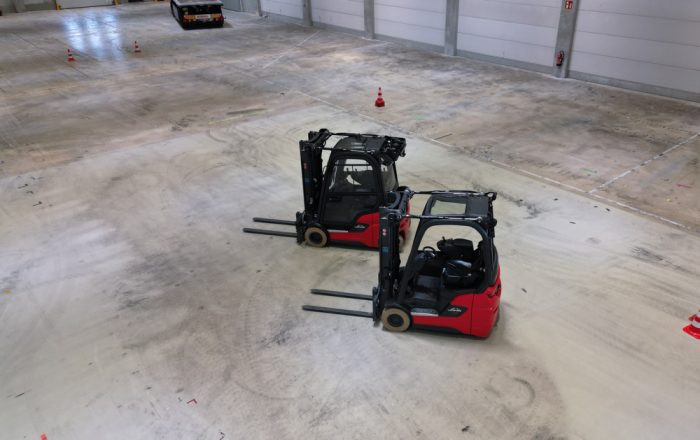
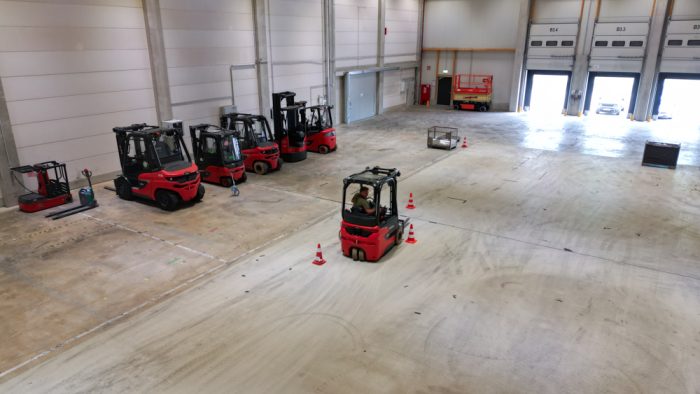


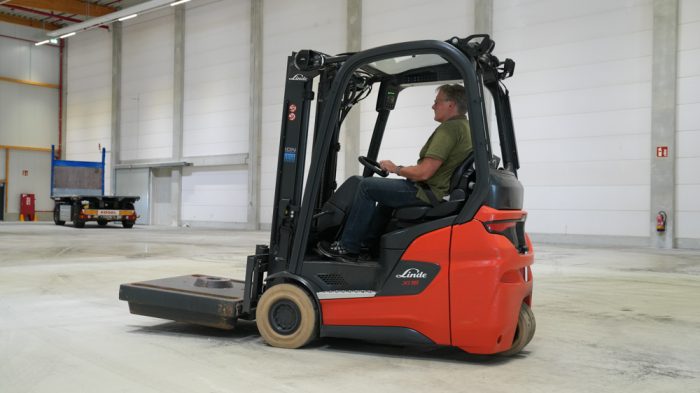
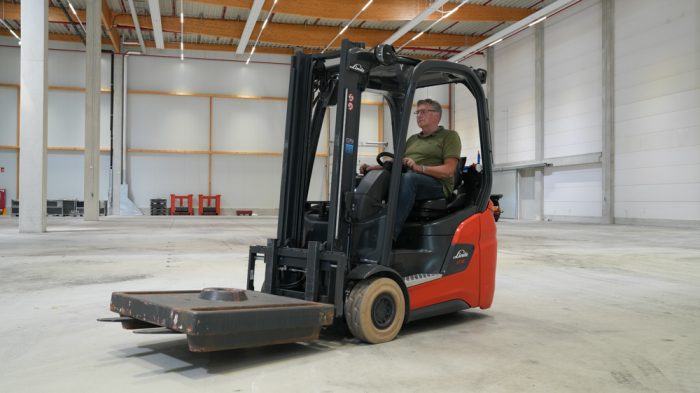

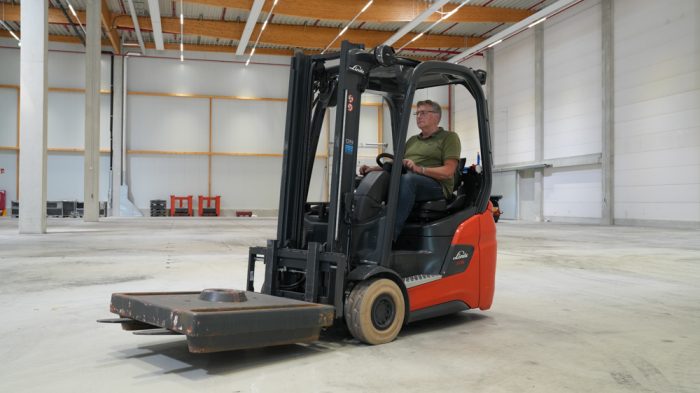
With the test of the Linde Xi16 and Xi20 P, Logistics Inside has a first. Even before the official launch, we were able to put two pre series trucks through their paces. The conclusion: Linde Material Handling (MH) once again sets the benchmark. This time in the compact class of electric forklifts from 1 to 2 tonnes. The i of integration makes all the difference.
It took a while but waiting paid off. The Linde range of electric 3- and 4-wheel forklifts up to 2 tonnes lifting capacity has undergone a major overhaul 18 years after its introduction. The construction series 1251, as it is called internally at Linde MH, will come to market in two variations in phases: the Xi and the E. Both, the Linde Xi- and E-series can be ordered from the end of this year. Start of production of the Xi is February 2025, while production of the Linde E-series will follow in mid-2025.
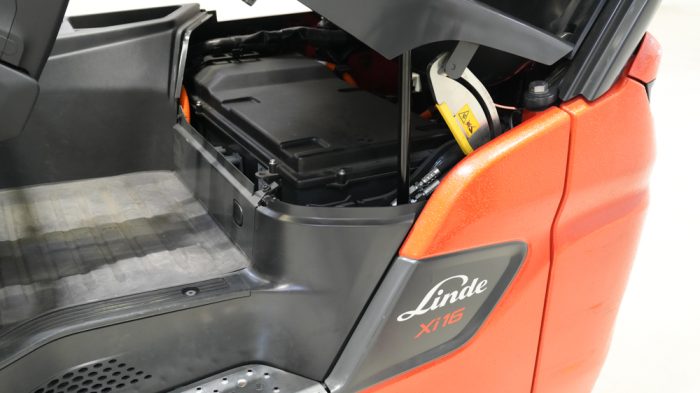
There is a substantial difference between the two models. The E-series design is based on an interchangeable battery in traditional tray where the technology can be either lead-acid, li-ion or a fuel cell. In the Xi models, the li-ion battery is integrated (i). The X guarantees extra-high performance. We are curious!
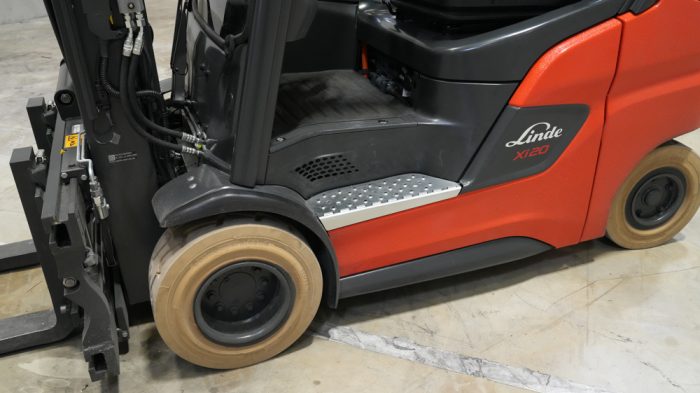
With the integration of the li-ion battery, Linde MH is aiming for clear goals such as better on/off access, more foot space, more comfort, better sight ratios, more headroom, higher performance, low energy consumption, reduced noise and super-compact size. Here, the Xi 3-wheel range runs from 1 – 2 tonnes with 200 kg increasing each time, the 4-wheel range starts from 1.6 tonnes.
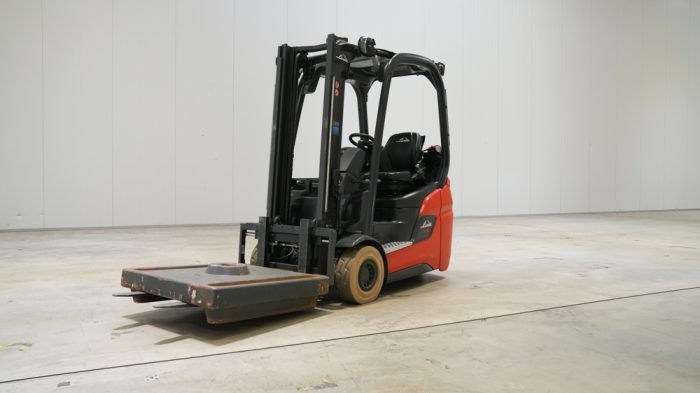
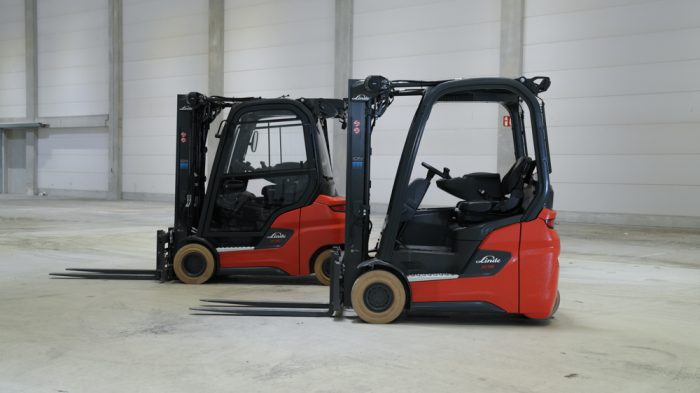
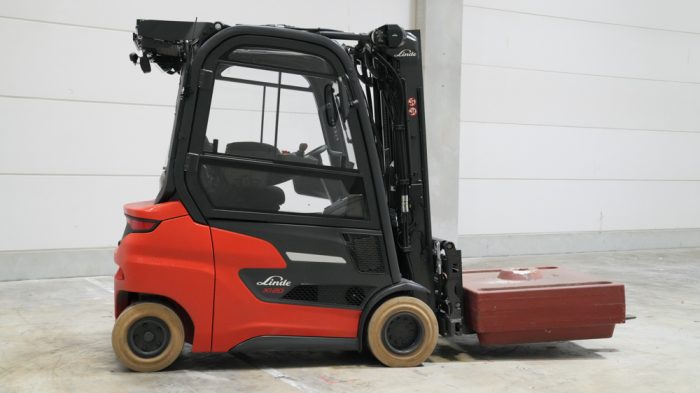
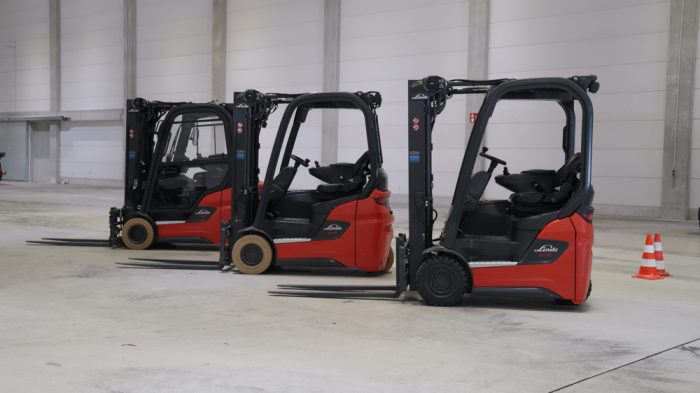
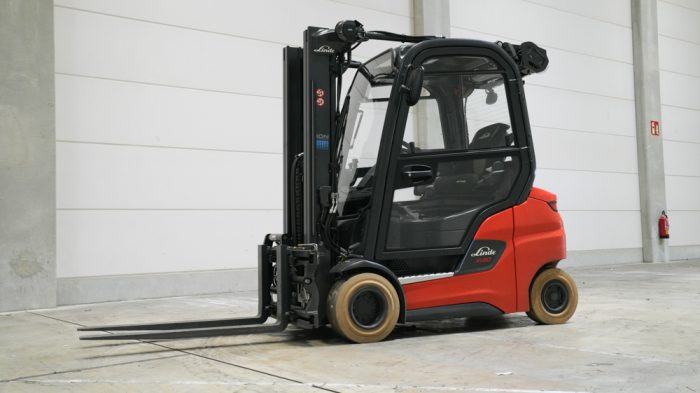
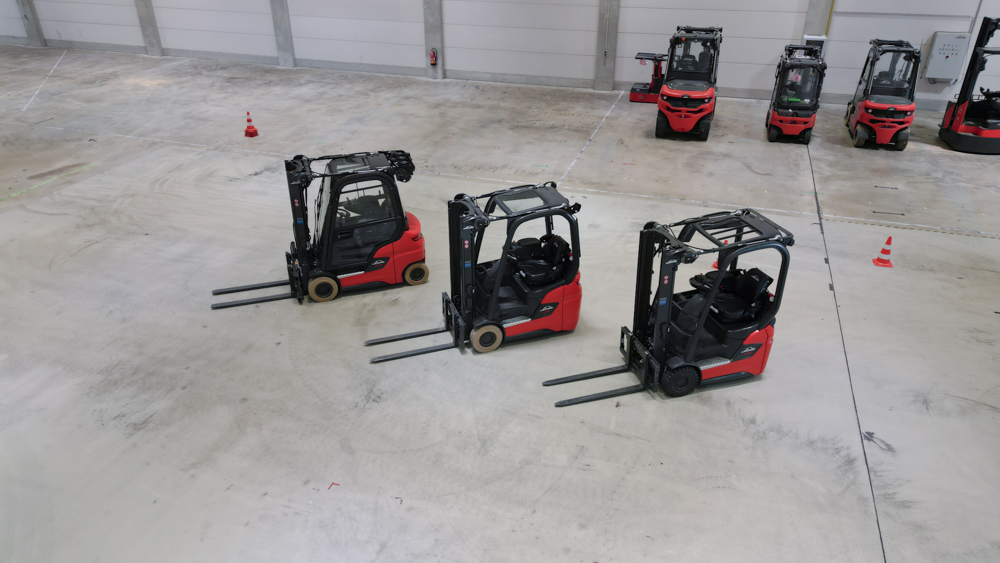
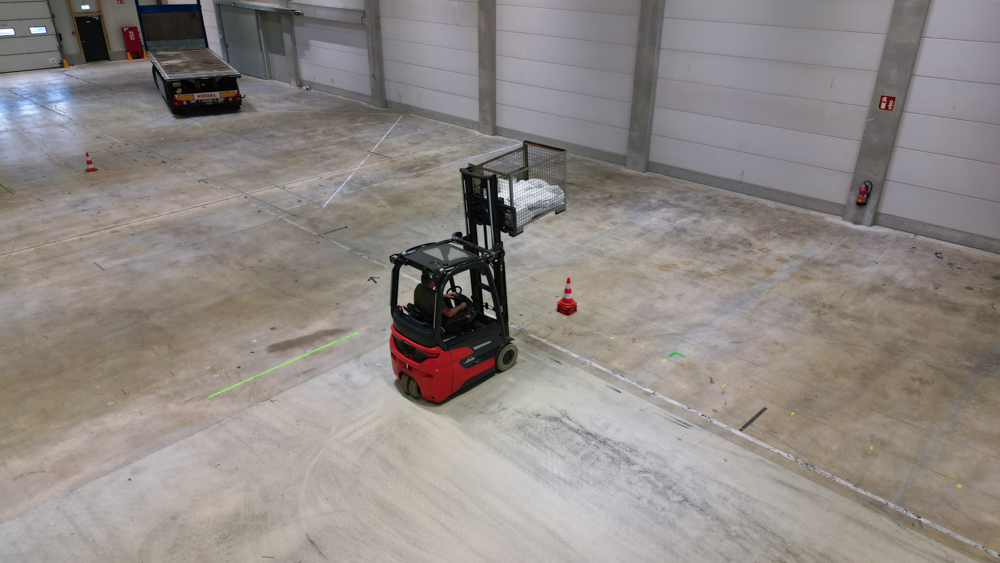
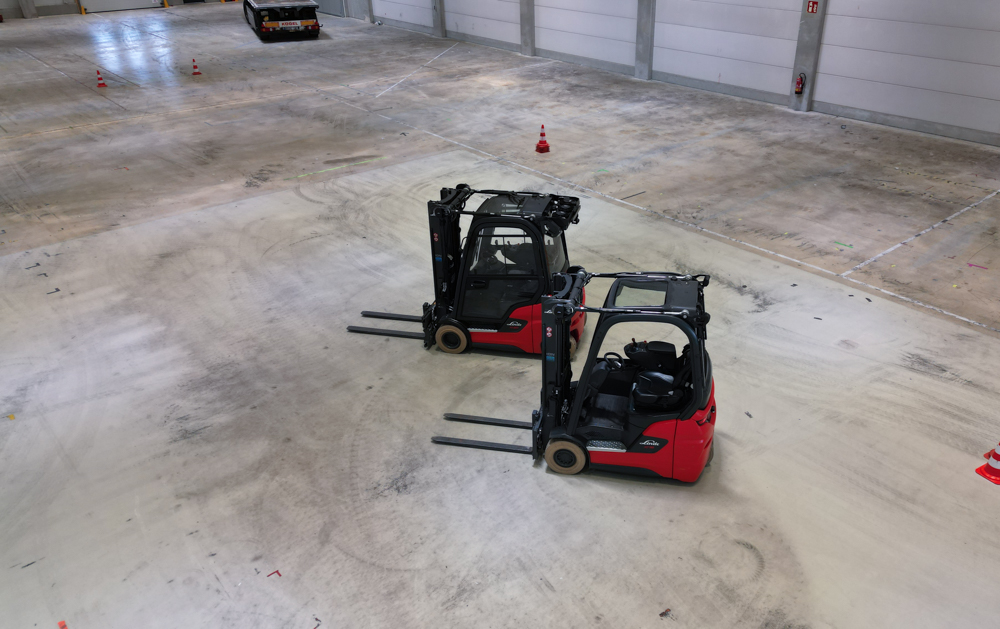
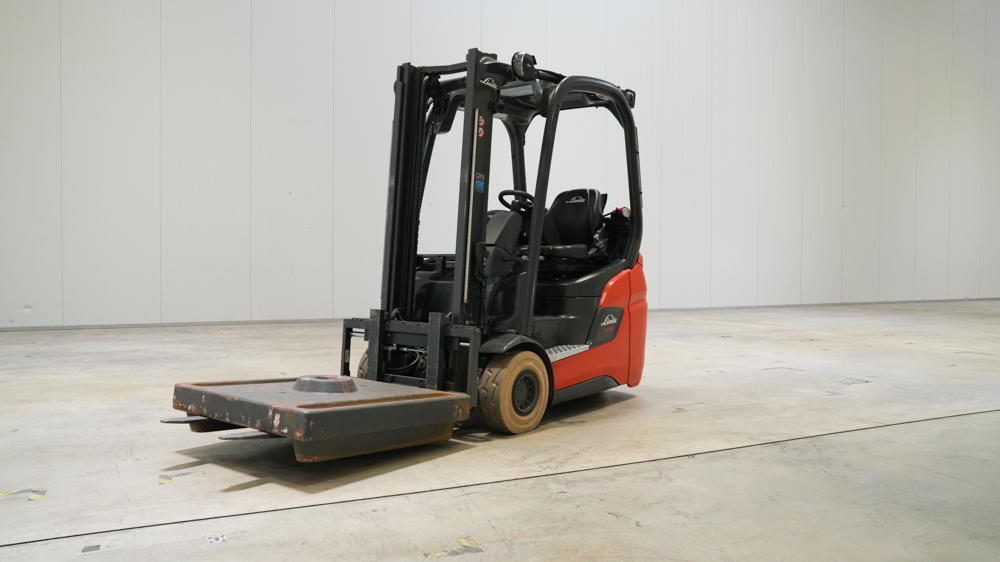
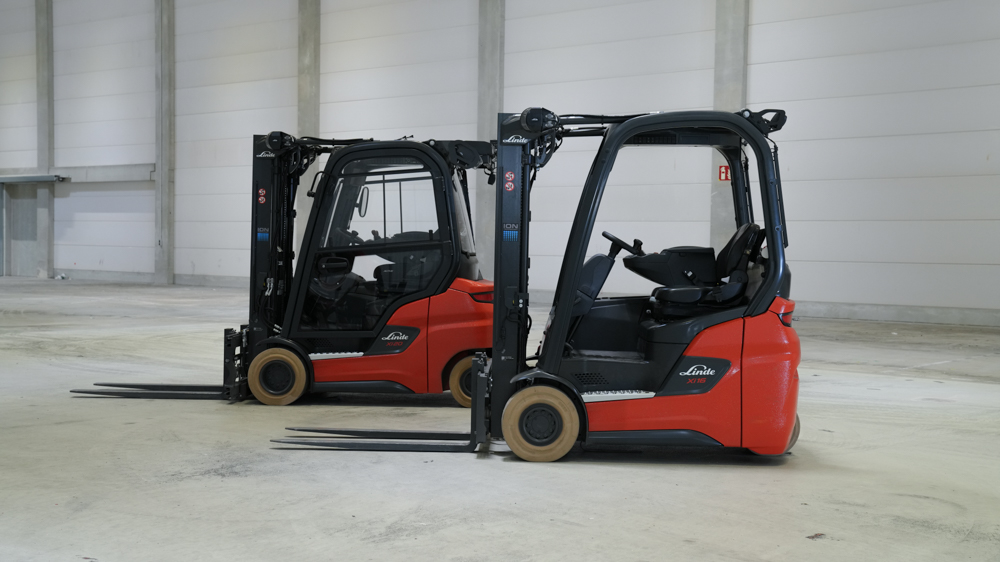
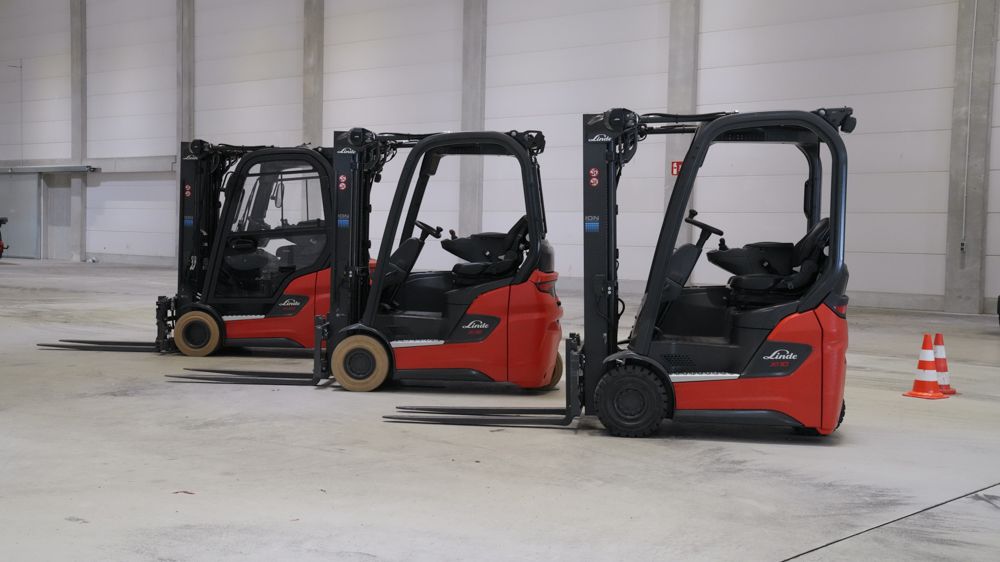
In this test we look at the Xi in two versions: a 1.6 tonne Xi16 three-wheeler and a Xi20 P, a 2 tonne four-wheeler with the Linde combined steering axle for extra short turning circles. Besides the compact combined steering axle version, trucks with a conventional pendulum axle and a slightly higher seat are also available. These trucks are mainly intended for users who see the Xi as a replacement for the internal combustion engine truck and for whom super-compact size is less of a concern.
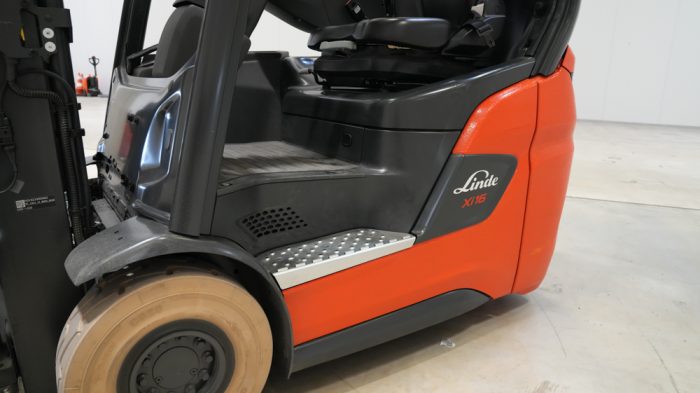
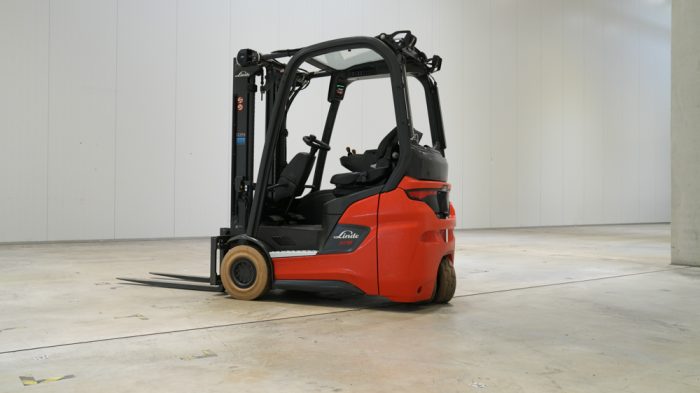
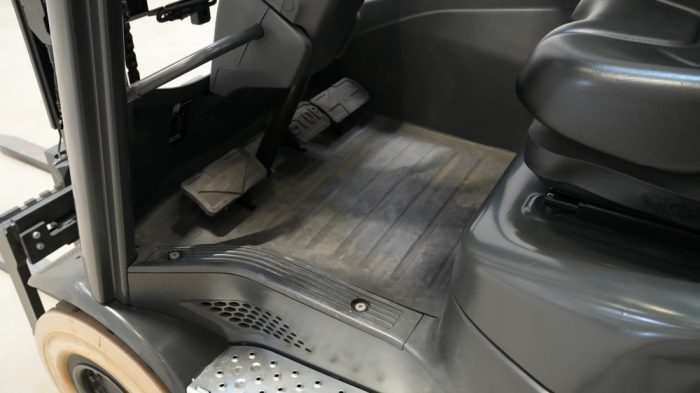
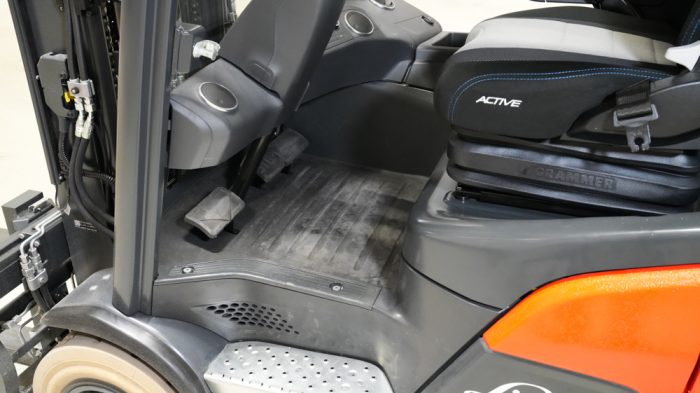
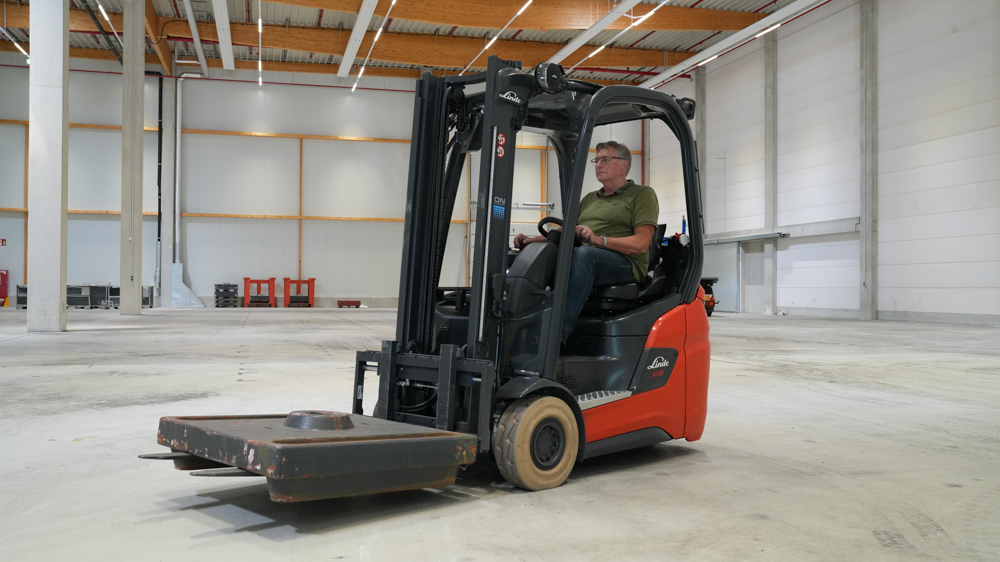
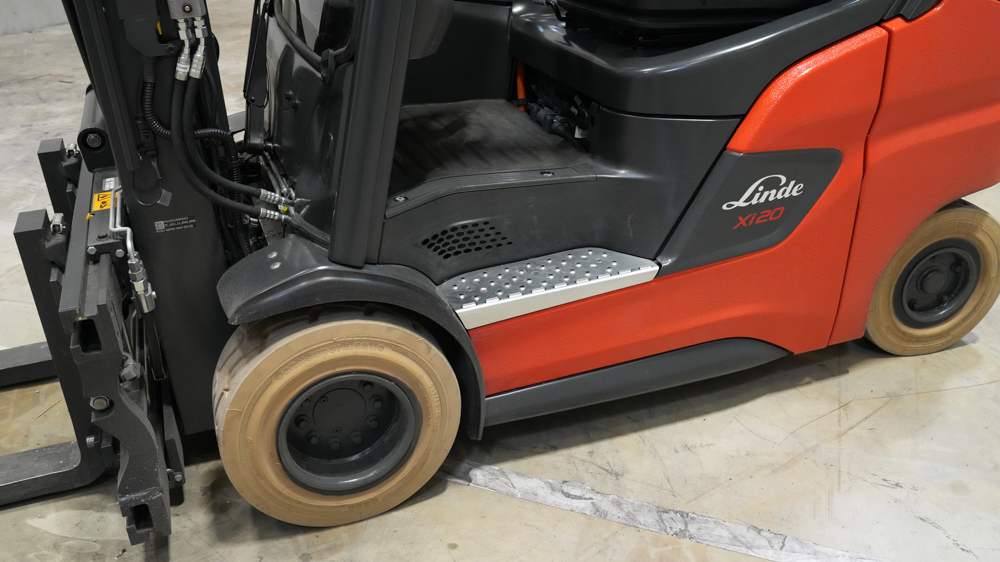
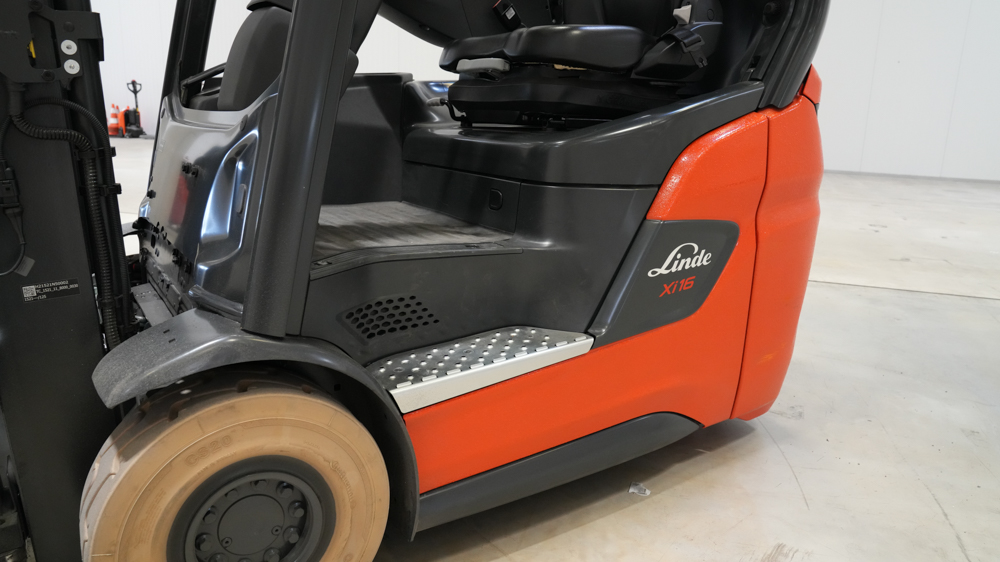
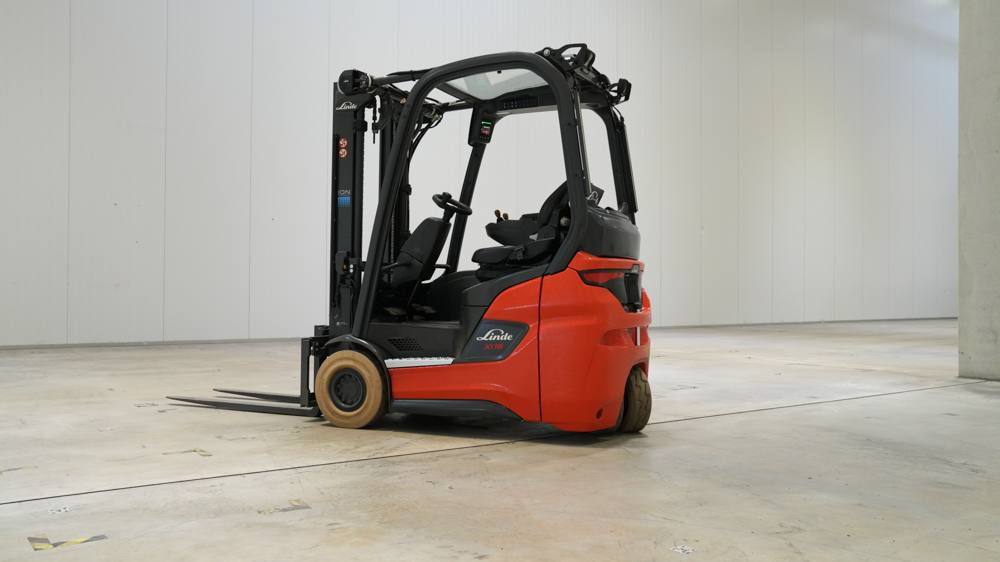
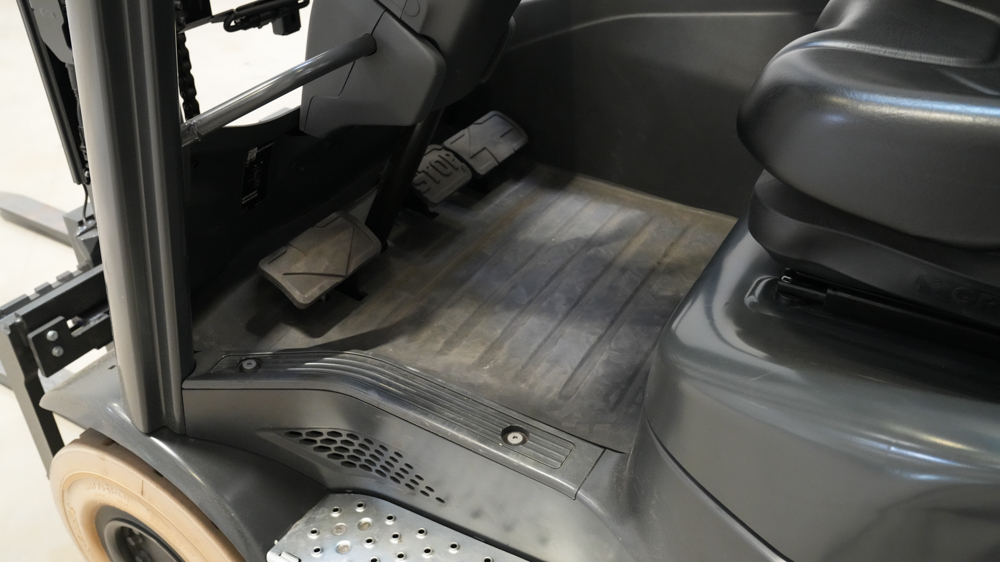
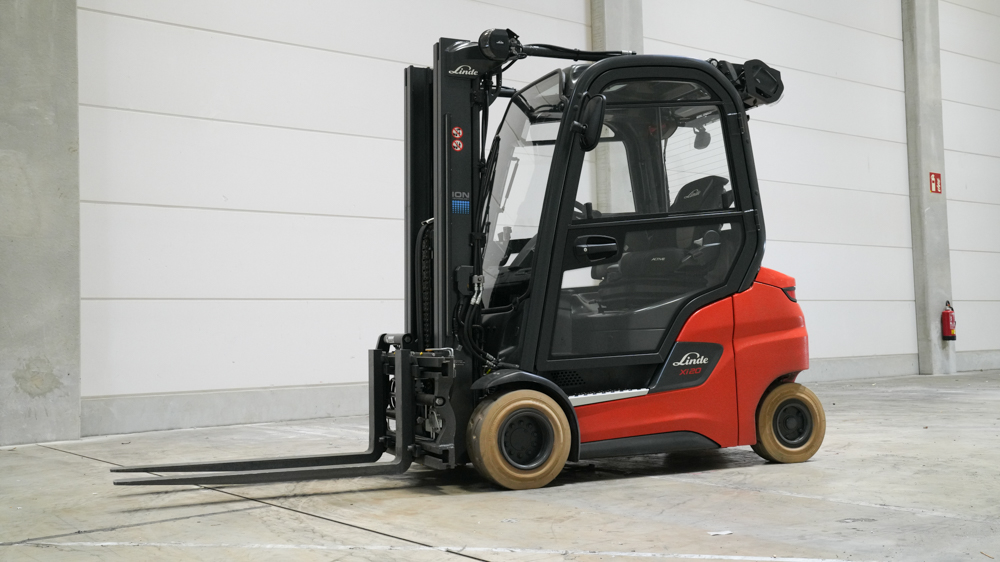
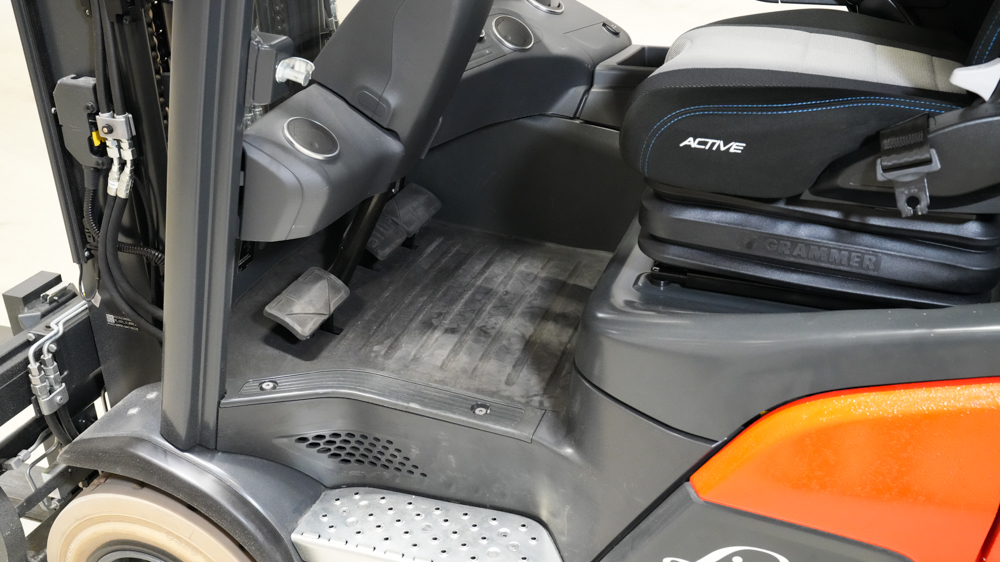
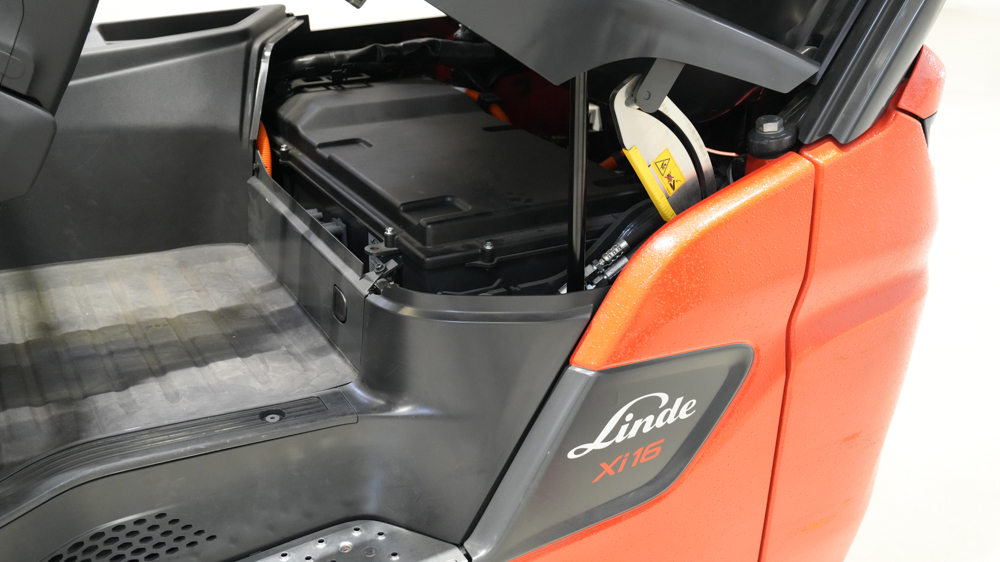
At the first sight of our test duo, we see two extremely compact but equally very accessible trucks. The extra step for step in / step out is very generous in size. So is the footplate. The battery compartment lid is neatly rounded and not felt in the lower legs. When it comes to foot and leg room, Linde sets a new benchmark with the Xi.
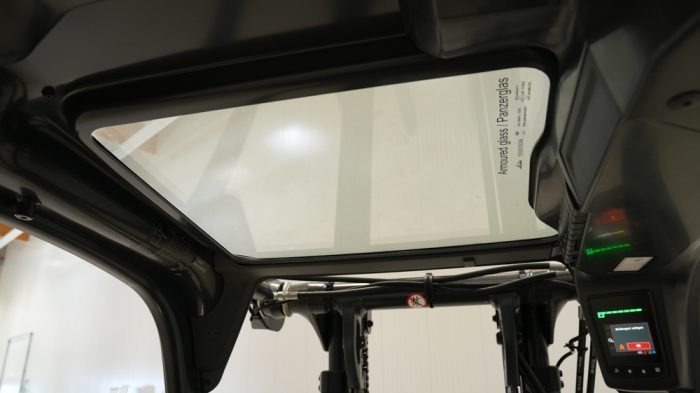
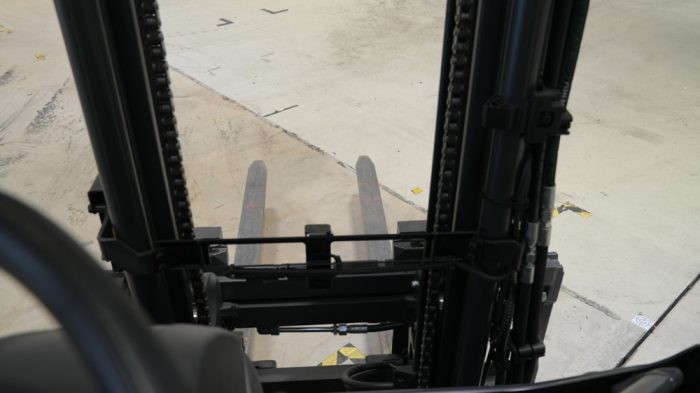
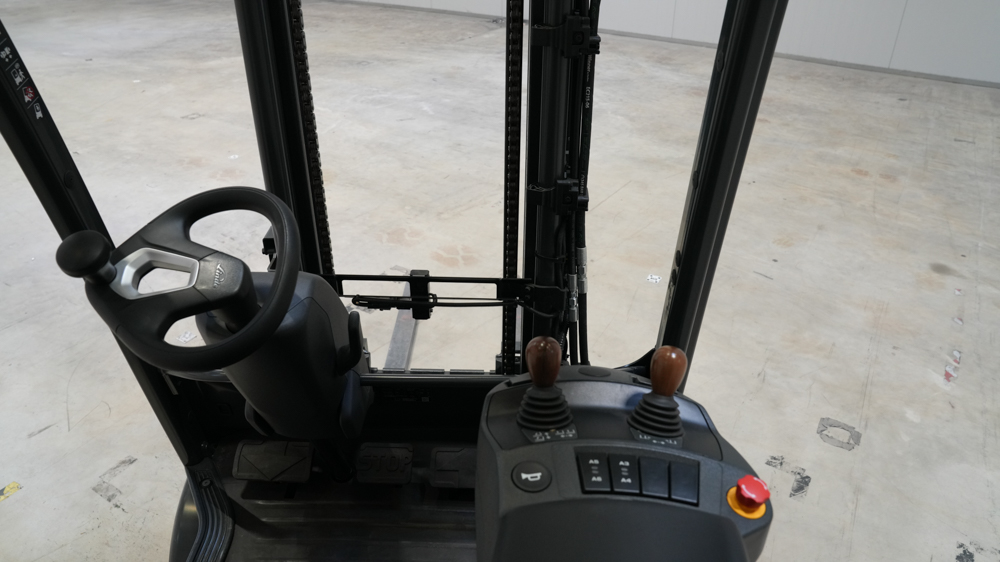
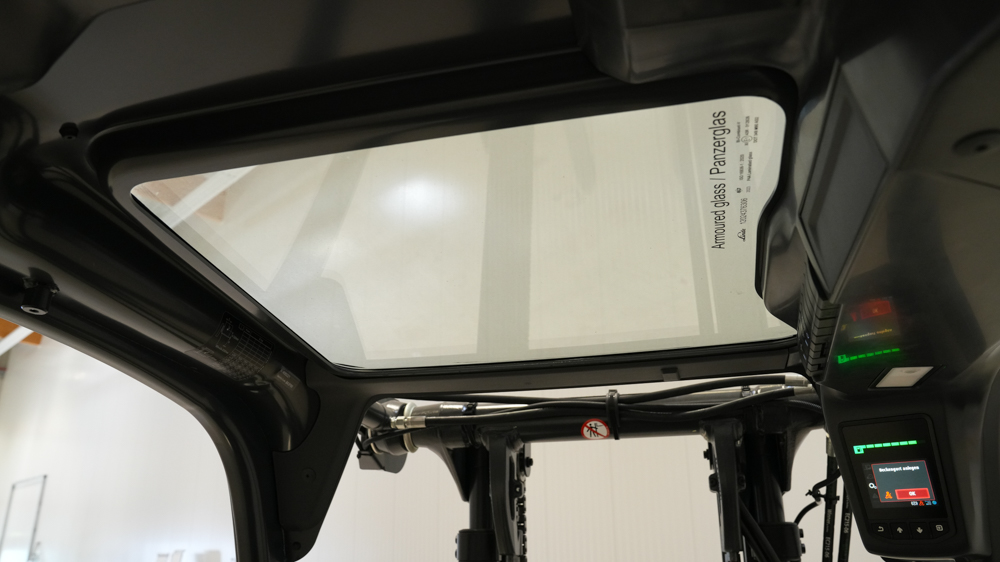
We notice the improved visibility from the much-lowered dashboard, the slimmer A-profiles and the enlarged visibility window of the protective roof. Both the conventional roof and the armoured-glass panoramic roof have better visibility.
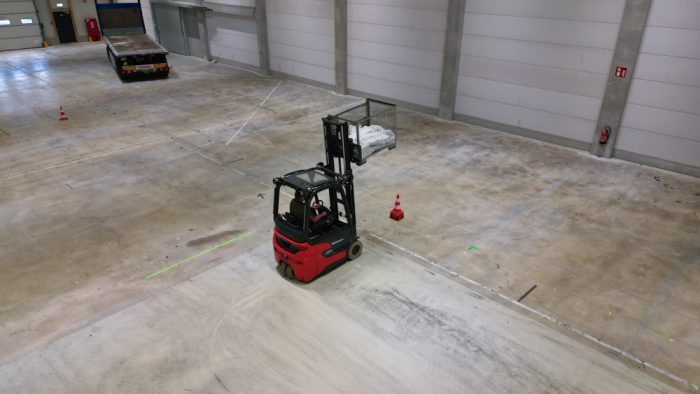
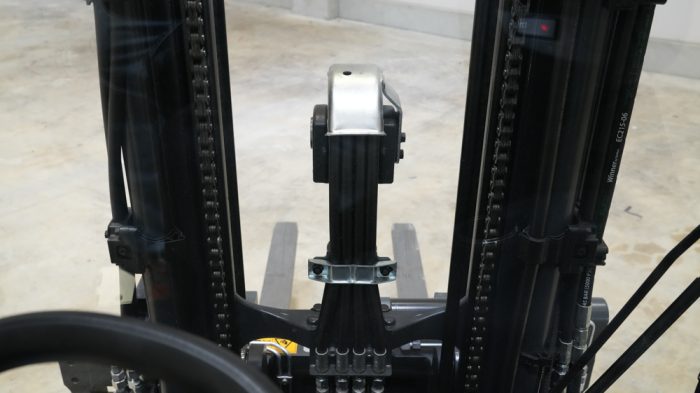
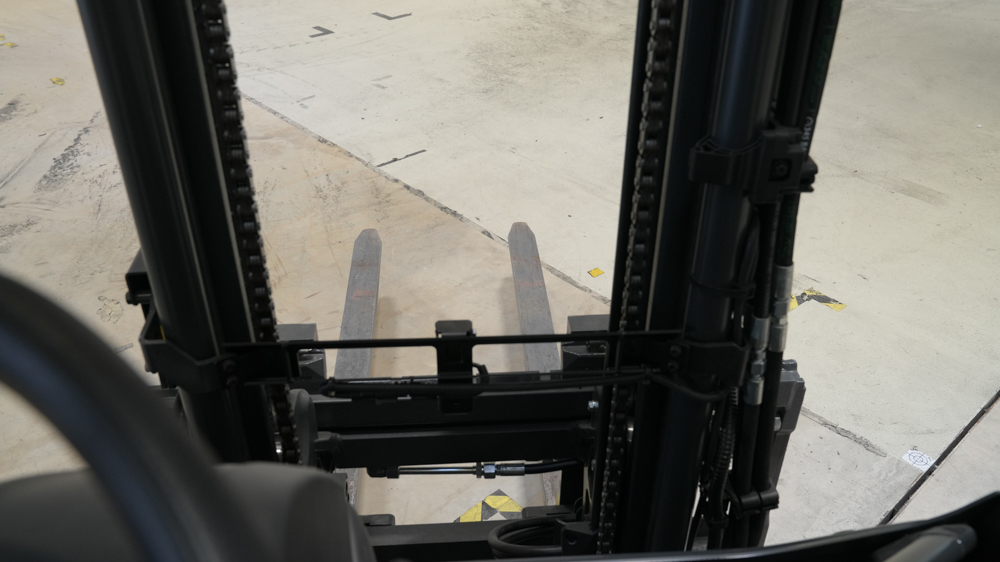
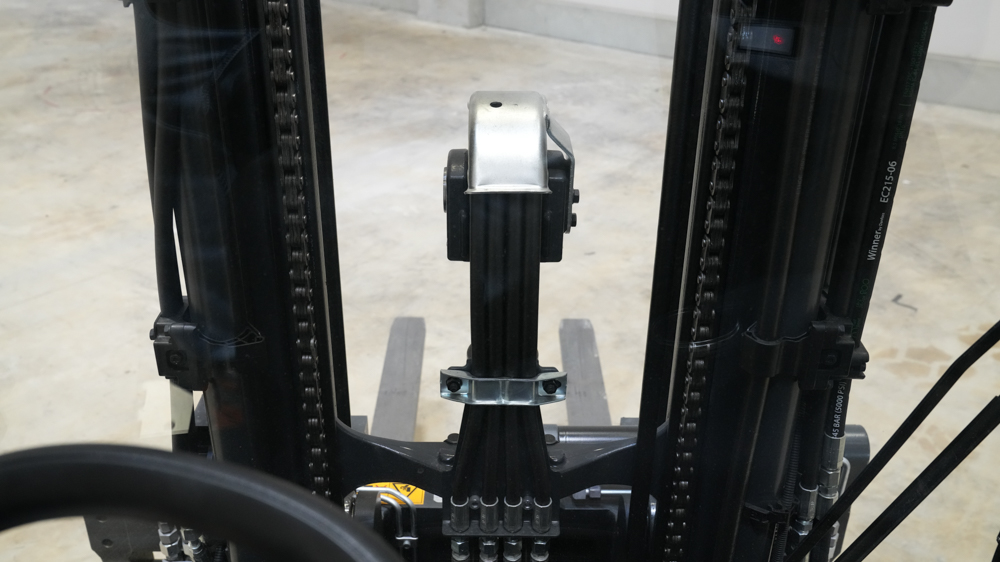
Smarter routing of hoses and chains has cleaned up all masts. We notice this especially on the Xi16 with its standard, double 3000 mm mast without free lift. On the triple mast on the Xi20 P, the advantage is less pronounced due to the additional fork positioner. Very handy, but it does take some visibility. In addition, the 2-tonne four-wheeler is fitted with a full cab, so a direct comparison between the two trucks or the market average cannot really be made. After all, you always see the extra weight of both mast and cab in the measurements.
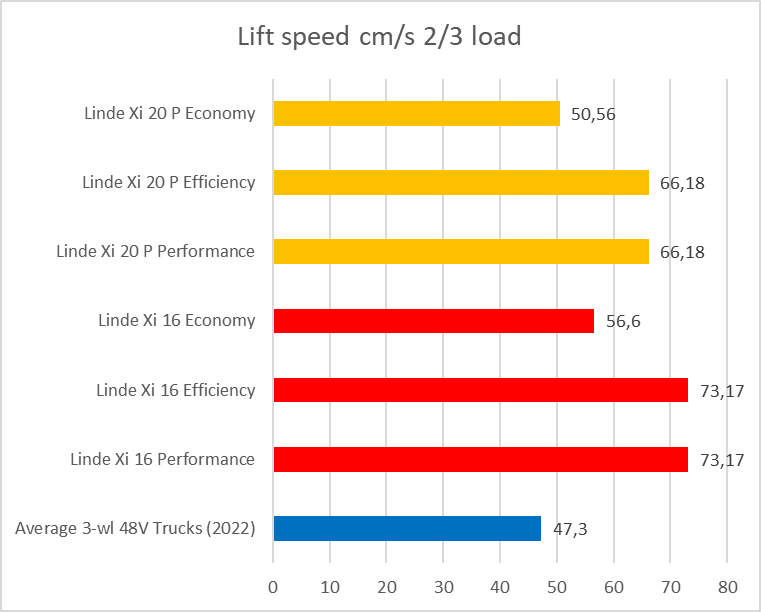
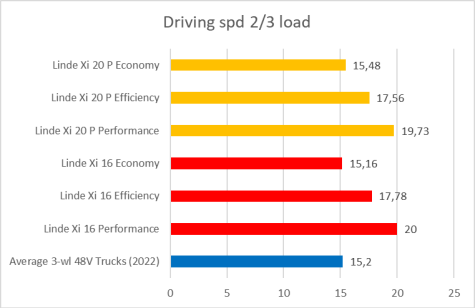
The Xi models owe the extra power (X) to the 90V on-board voltage while the competition has a 48V system. Together with the synchronous reluctance motors (SRM), this ensures better energy efficiency, says Linde MH. Thereby, the lift motor is optimized, and the trucks reach higher lifting speeds and there is less noise production.
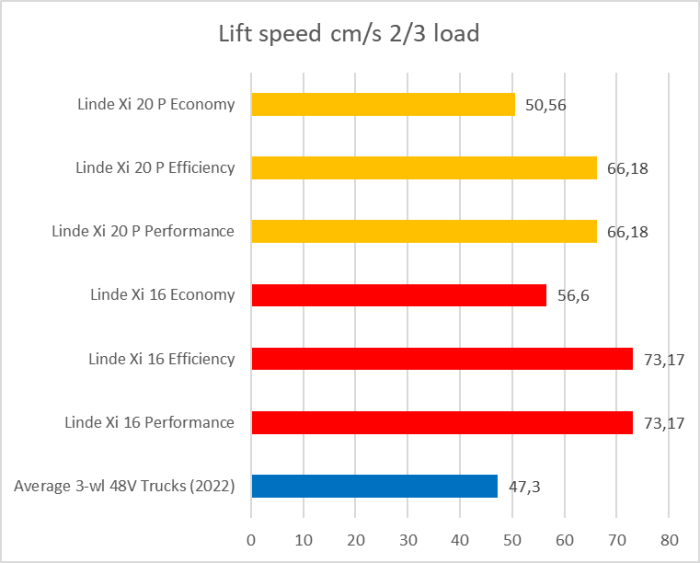
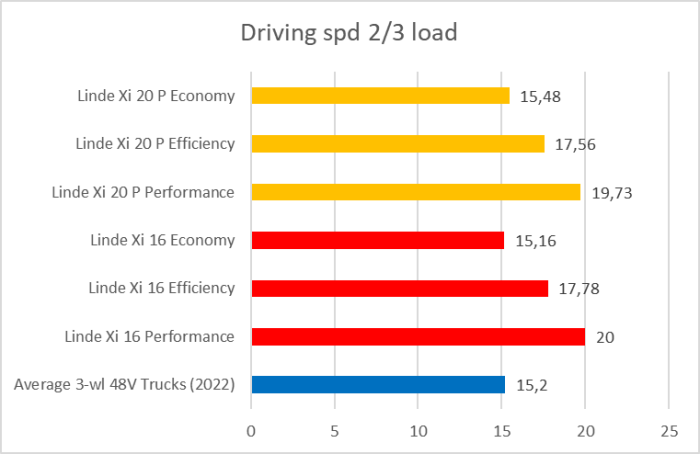
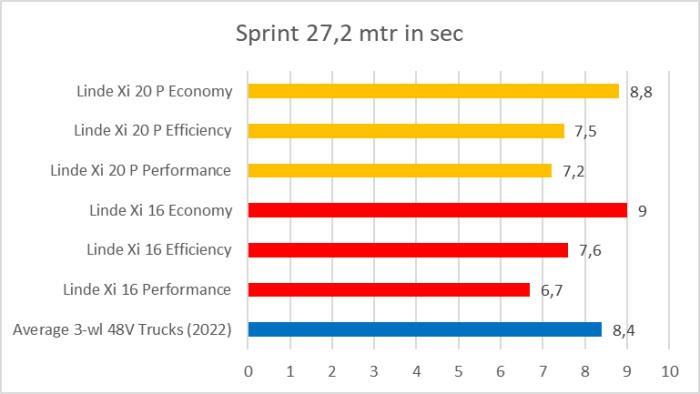
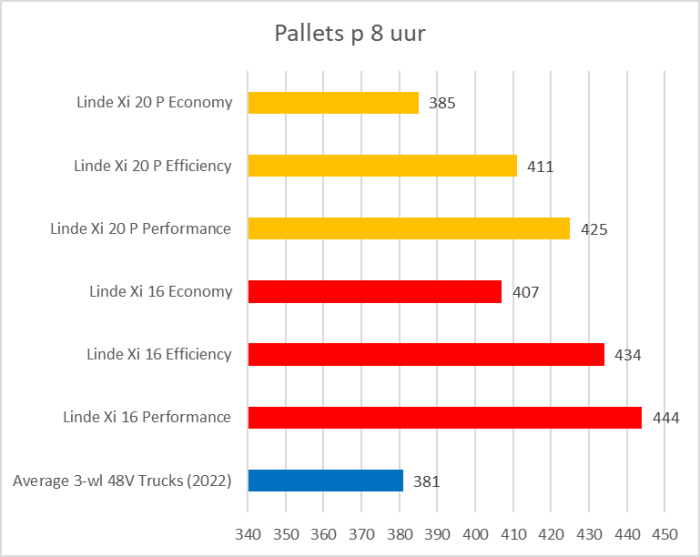
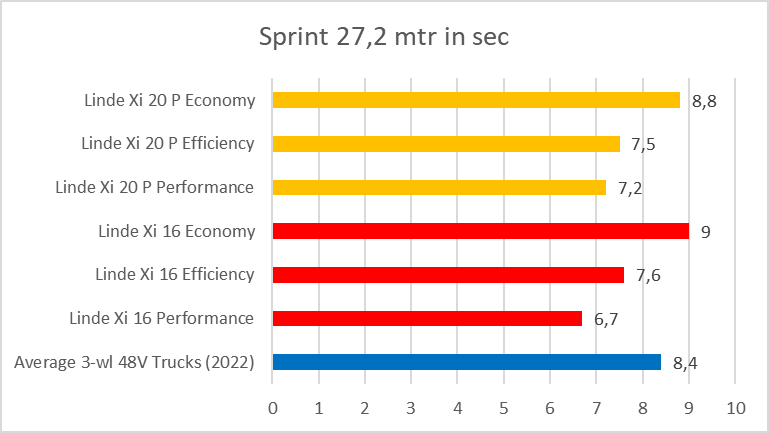
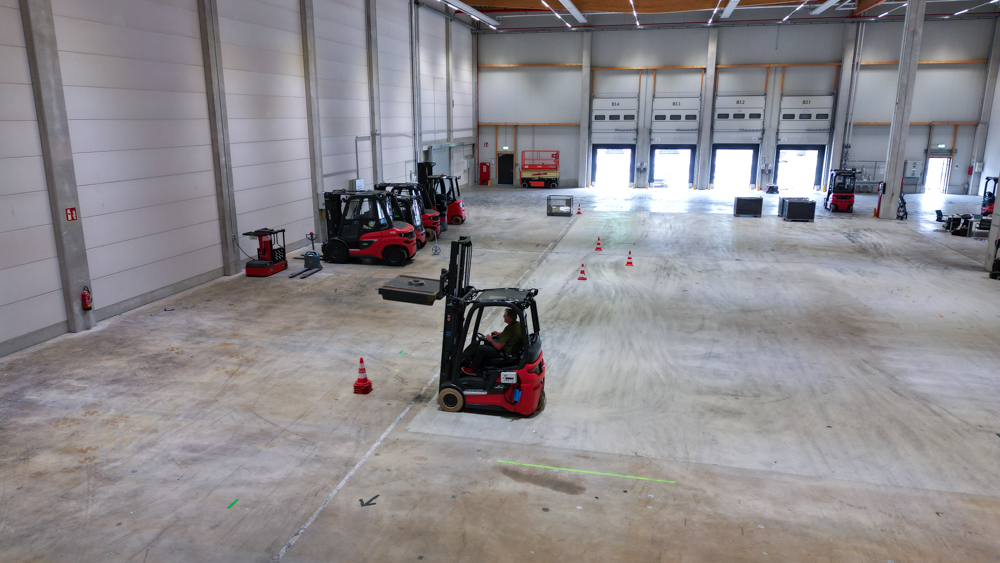
In practice, this works out that way. Both trucks are adjustable for Performance, Efficiency and Economy. On Performance, they score unprecedented driving, sprinting and lifting speeds, leading to the highest productivity in this class for the Linde Xi16 three-wheeler. The four-wheeler lags fractionally behind due to its higher own weight and the heavier load we use during the test. Even on Economy mode, both trucks still score above the market average.
In the process, the trucks are very quiet in operation. We do wonder if it all has to be as fast as Performance allows. The Efficiency mode is our favourite.
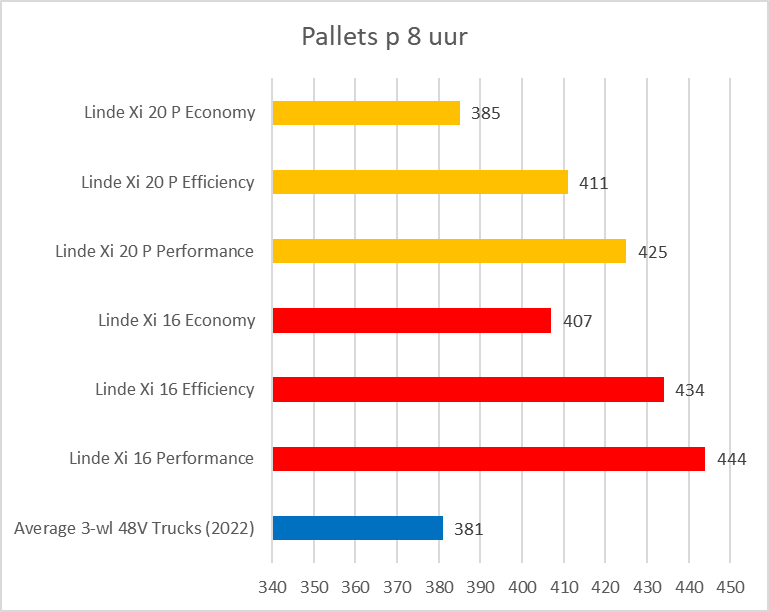
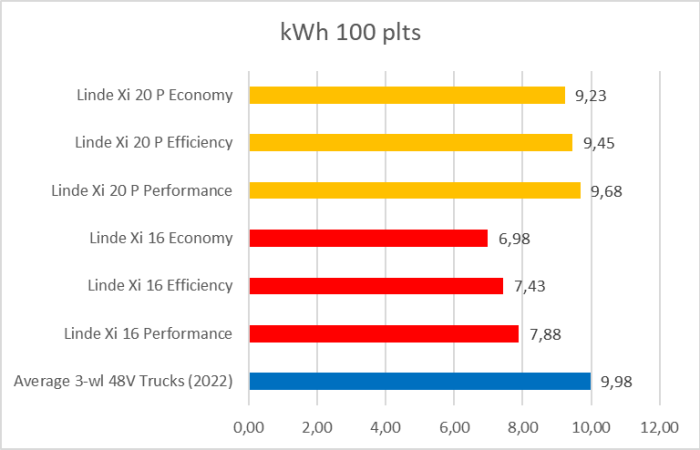
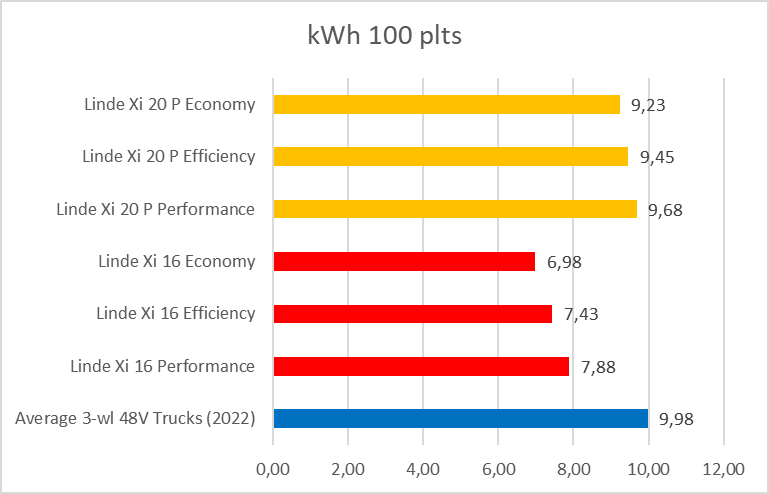
In terms of energy consumption, the Xi16 scores well above the market average for 1.5/1.6-tonne trucks in all working modes. The 2-tonne truck is at that average in Performance and shows more favorable energy consumption especially in the slightly quieter settings, but in any case, moves more load weight.
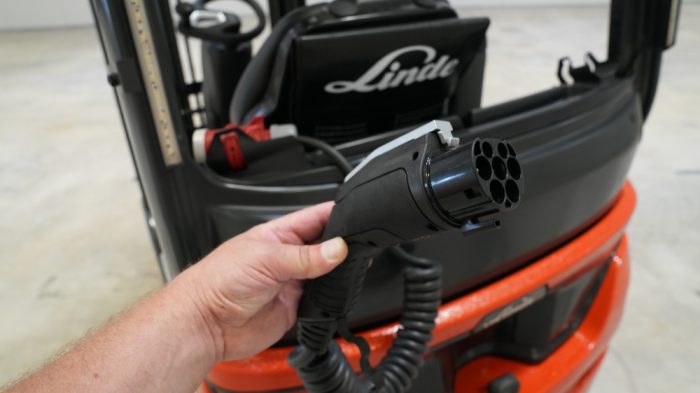
Energy consumption is of course a daily issue, but for li-ion trucks a lesser problem because you can recharge between runs. Thanks to Linde’s standard li-ion chargers and a battery choice of 17, 25.6 or 34.1 kWh installed capacity (respectively 15, 22.5 and 30 kWh useful capacity), long-term operation is easily achievable. According to our calculations, both trucks effortlessly achieve a normal day’s operation of at least 8 hours with the biggest battery. The optional 3,5 or 10 kW on board chargers also offer additional connection convenience and charging freedom.
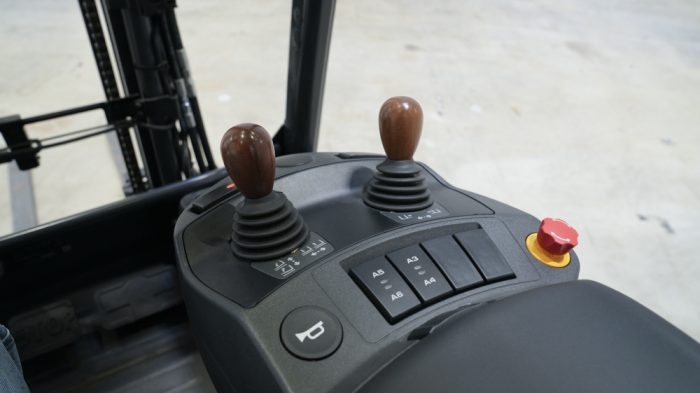
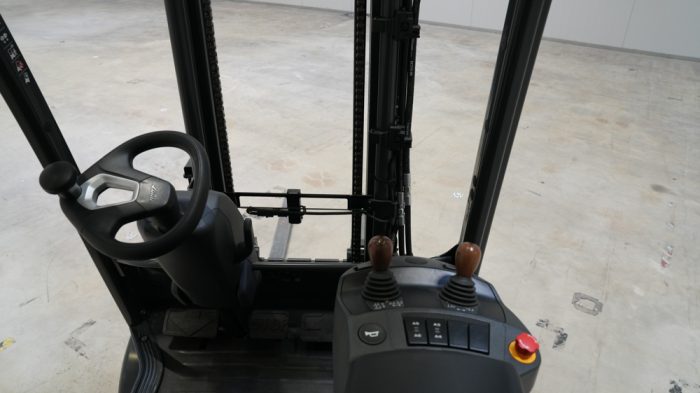
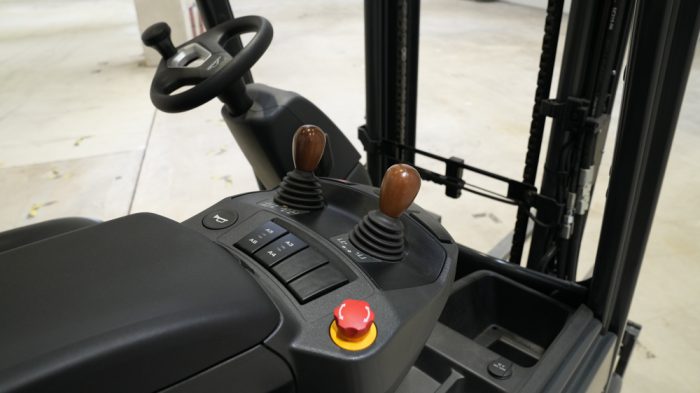
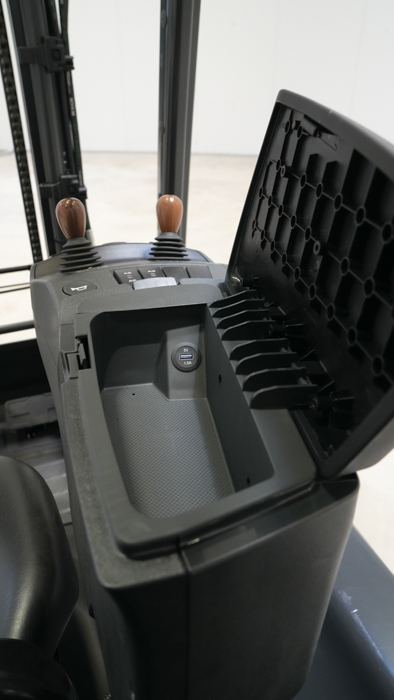
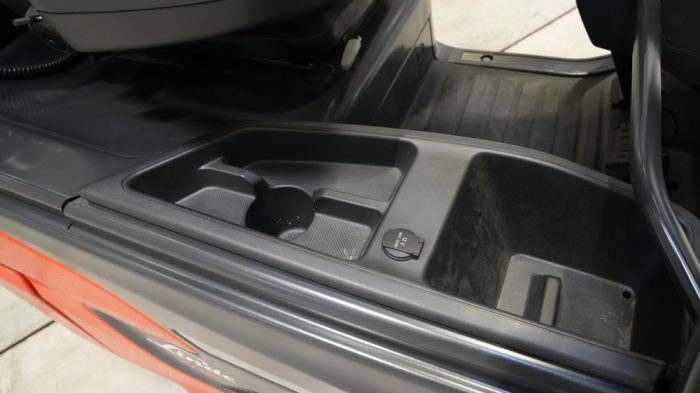
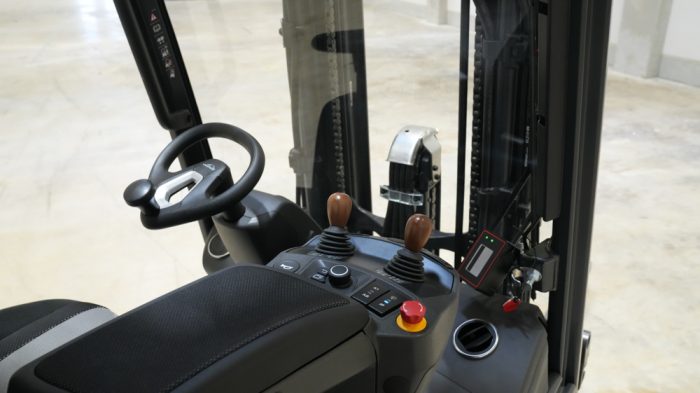
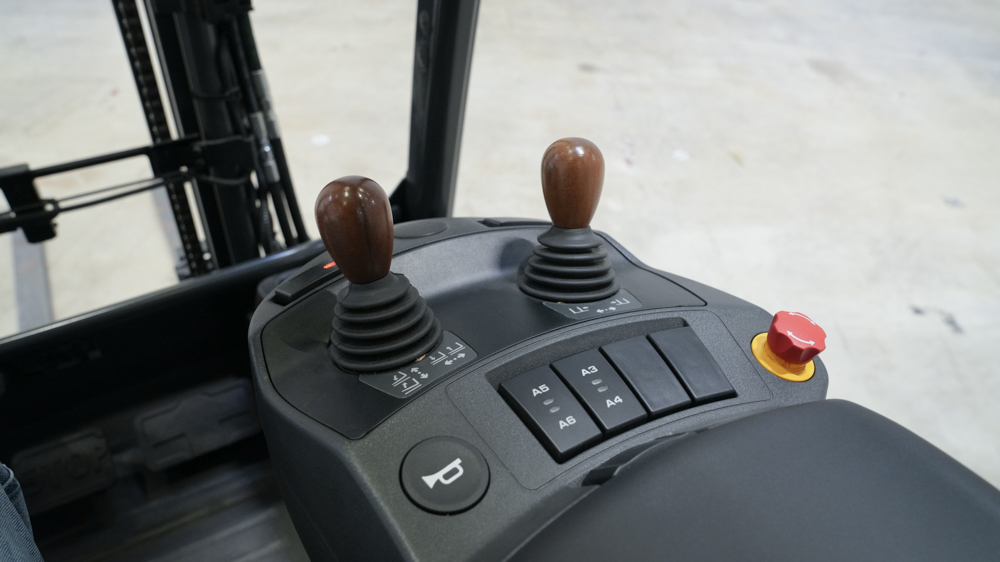
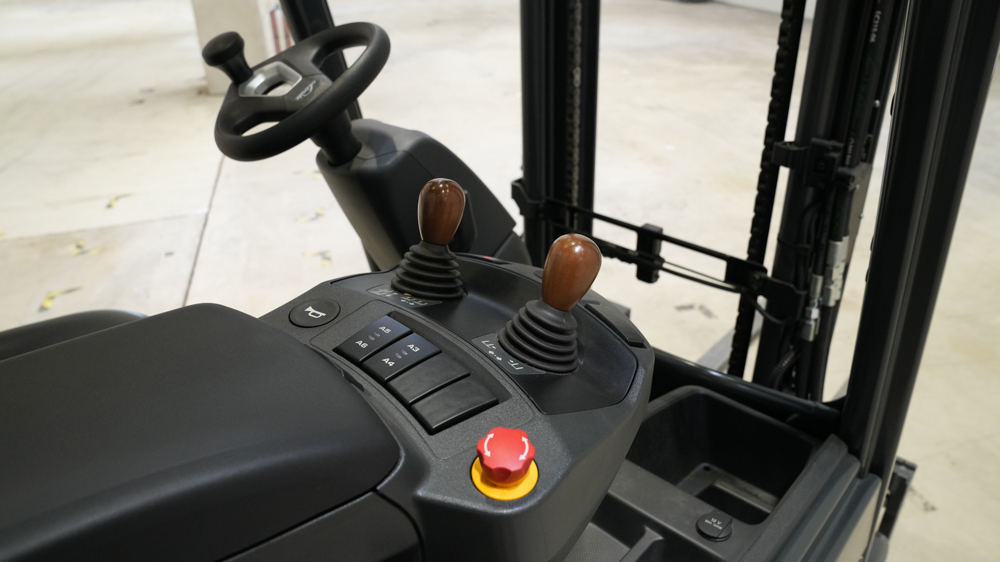
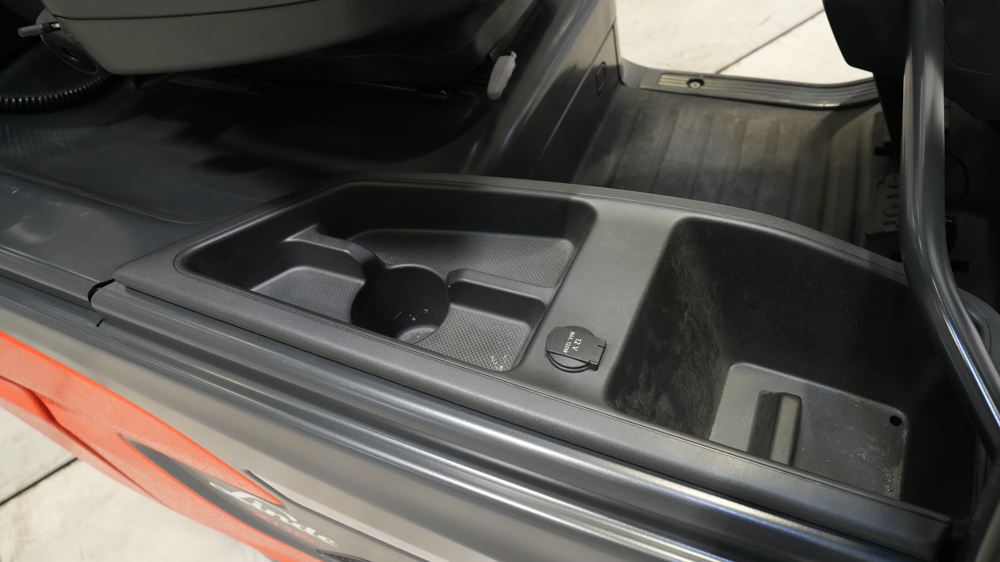
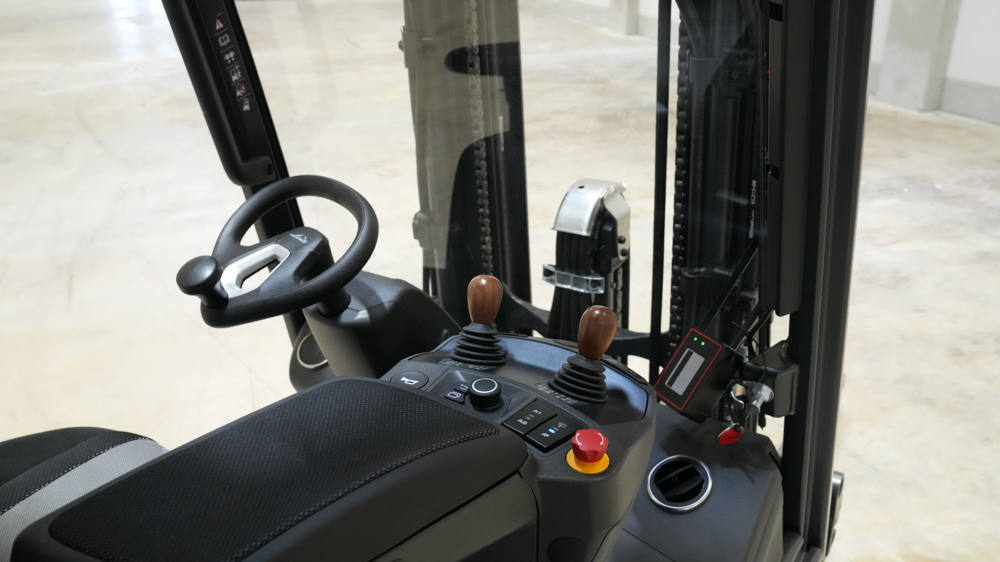
The comfort of the new Linde Xi trucks is high, and this is not just due to the ease of getting on/off and the extra foot space. In fact, the cabs are identical to all other new combustion engine and electric Linde models from 1 to 5 tonnes lifting capacity, providing a very recognizable workplace for the driver. All switches are in the same place, the armrest with Linde Load Control controls is easily and stepless adjustable. There is plenty of practical storage space to the right under the armrest, although the optional A4 paper compartment would be nice to have as a standard.
The extended seat belt lock is easy to find and extra headroom has come up to the protective roof. In addition, mast and front axle are connected to the chassis via a vibration-damping suspension.
On the Xi16, we find a mechanically sprung Grammer seat that could be mounted just a little higher as far as we are concerned. We sit with our knees slightly raised behind the multi-adjustable steering wheel. Grammer’s deluxe, air-suspended seat ‘Active’, available for Linde models, that we find on the Xi20 P does offer that height and is noticeably more comfortable. We do notice that the forced cooling/venting under the cabin is quite noisy, but Linde MH says it is due to the pre series and will be followed up.
The cab of the Linde Xi20 P features a heater/ventilation that is neatly integrated into the dashboard, has more outlets and performs better than the add-on version.
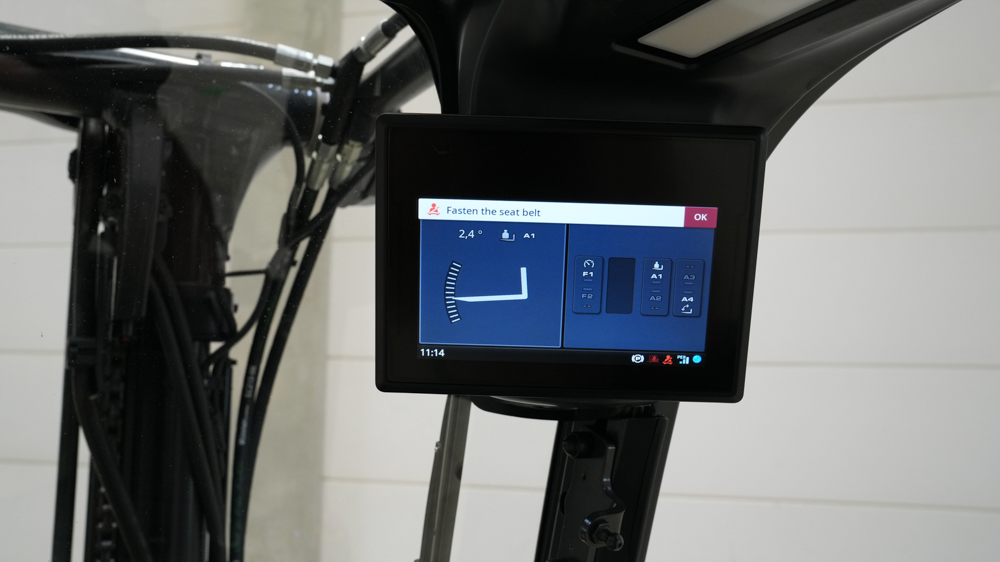
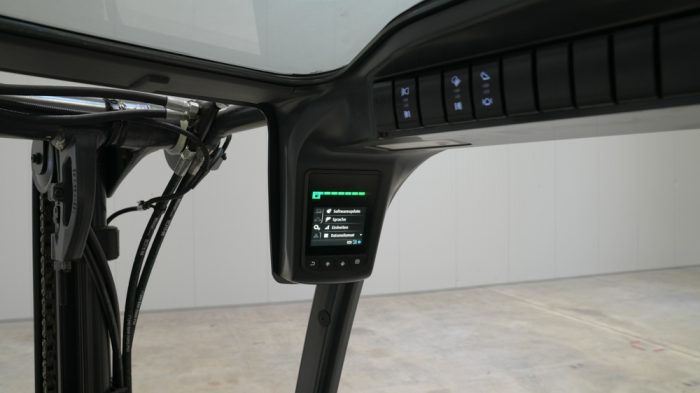
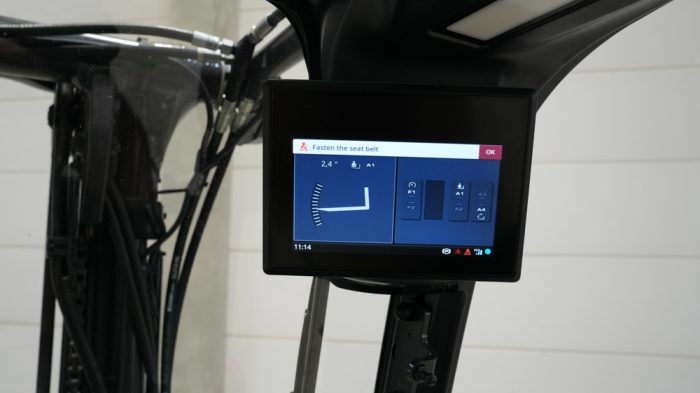
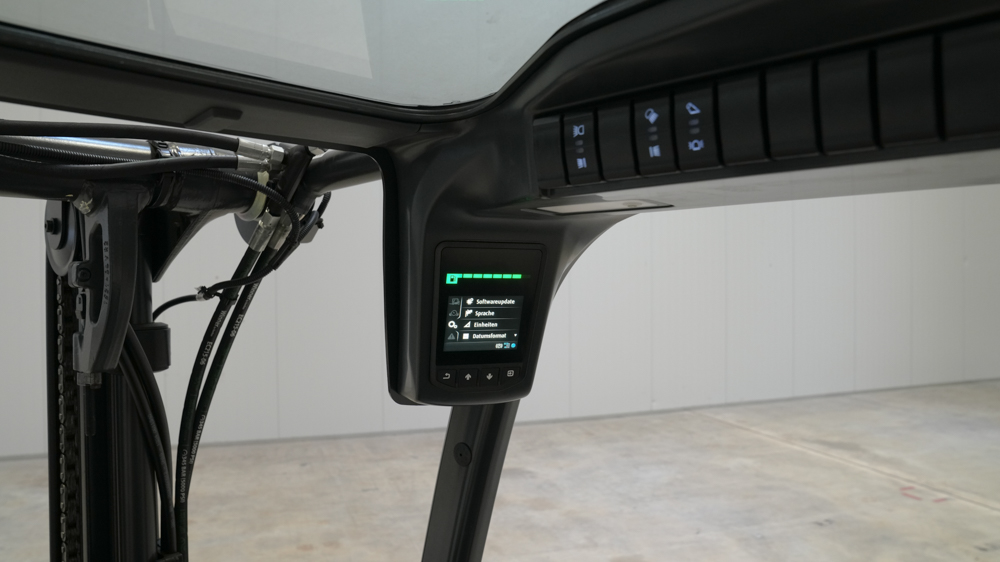
On both test trucks, we see another option variant and this concerns the choice in displays: the three-wheeler has the standard 3.5″ screen, while the four-wheeler is equipped with the larger 7″ model. The standard display clearly shows all necessary info such as battery discharge level and hours of operation, but also indicates load weight, tilt angle, steering wheel position and driving speed. The optional larger 7-inch display also has a list of additional features such as integrated camera view with personnel detection, a reverse drive aid and the Linde Safety Pilot (automatic load diagram). The various display options can be arranged on the screen entirely as you wish.
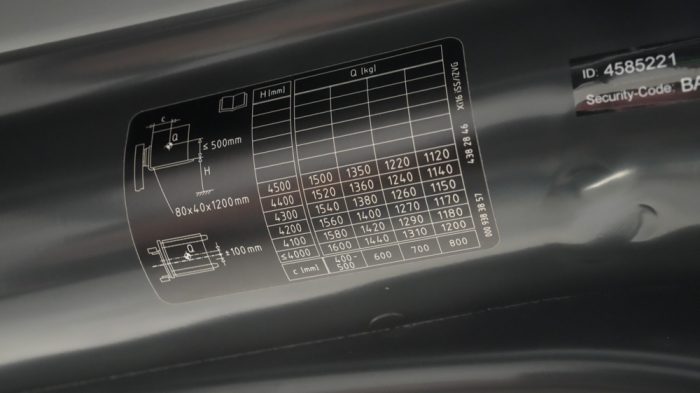
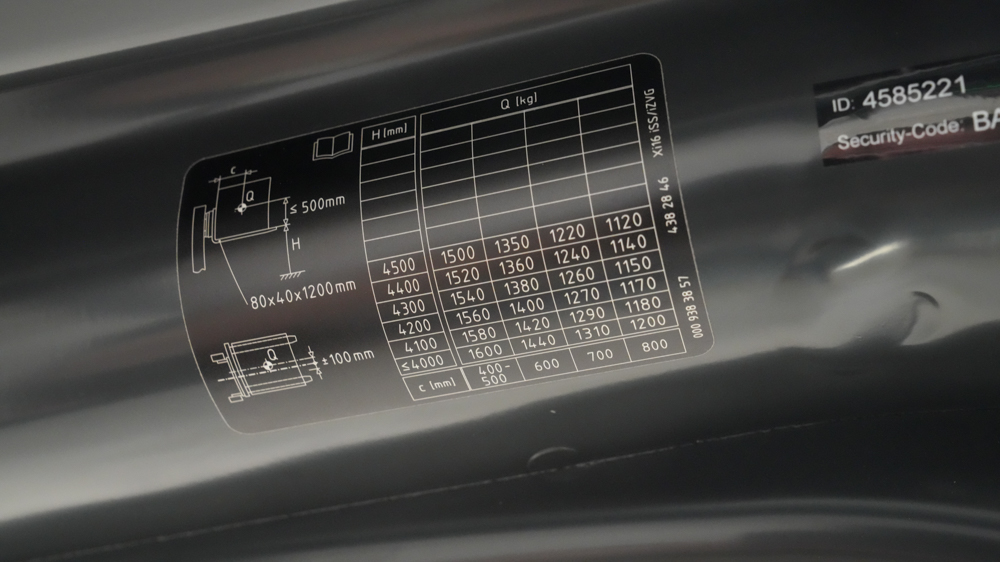
Points for improvement, as far as we are concerned, are the clarity of the load diagram. This is a black sticker with many and rather small white numbers that are very difficult to decipher in backlight. The travel speed release by the adjustable Curve Assist could be a fraction earlier, but that is a matter of adjustment. The torsion and swing we sometimes experience when rapidly lowering the Xi20 P’s three-piece mast is enhanced by the extra comfort of the rubber suspension of the mast/axle combination. End cushioning at maximum lift height would be pleasant for both mast types. An optional handle on the rear roof pillar for extra grip when reversing should always be standard and not an option from us. The seat height of the standard seat on the Xi16 could be a bit higher.
These are all observations that are reasonably easy for Linde MH to resolve. They in no way overpower the great advantages of the new Linde Xi series, because the conclusion is clear: never have trucks in this popular compact class up to 2 tonnes lifting capacity been so generous in space, so productive and so completely improved. The benchmark has once again been set.
(Text and photos: Andersom Testing, Mark Dohmen and Theo Egberts)
Tags:
Andersom test, Andersom testing, Intralogistics, Linde, Linde Material Handling, Linde Xi 16, Linde Xi 20P, Linde Xi-series
Linde Material Handling was happy to be back at LogiMA...
Smooth heavyweight With the Mitsubishi EDiA XL, Mit...

arculus, Cargotec, idealworks, Interroll Group, Still ...